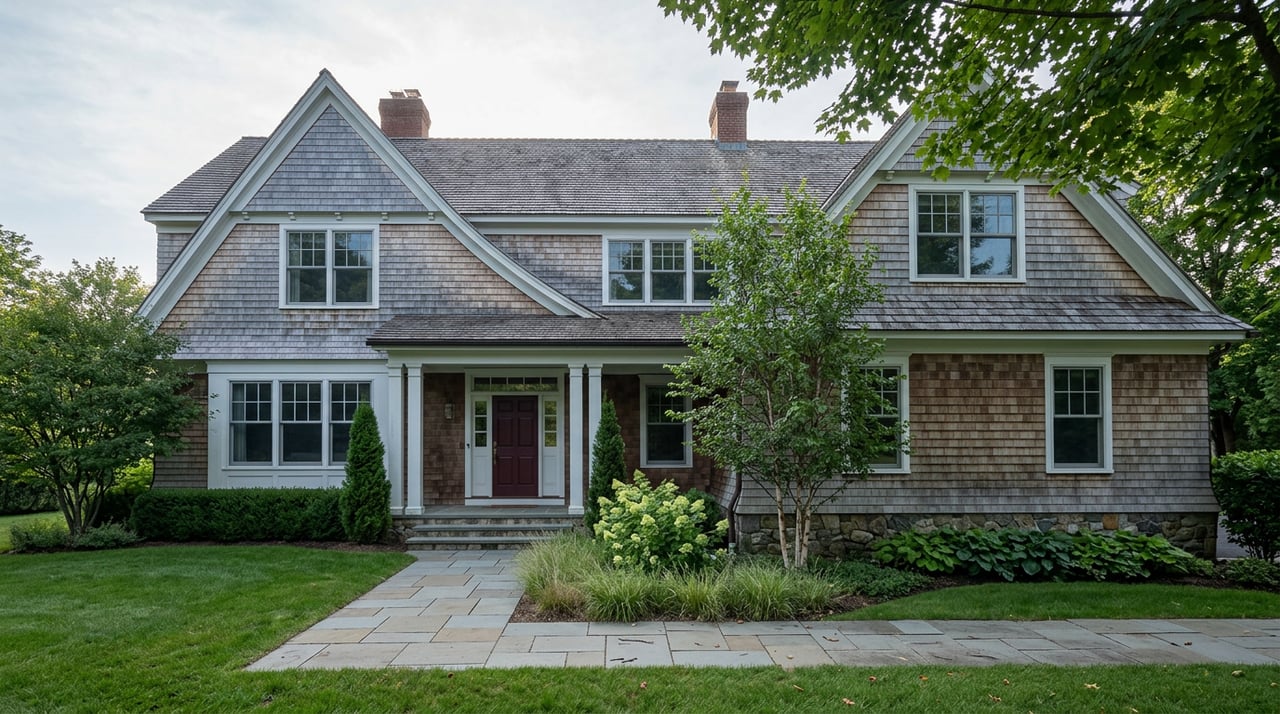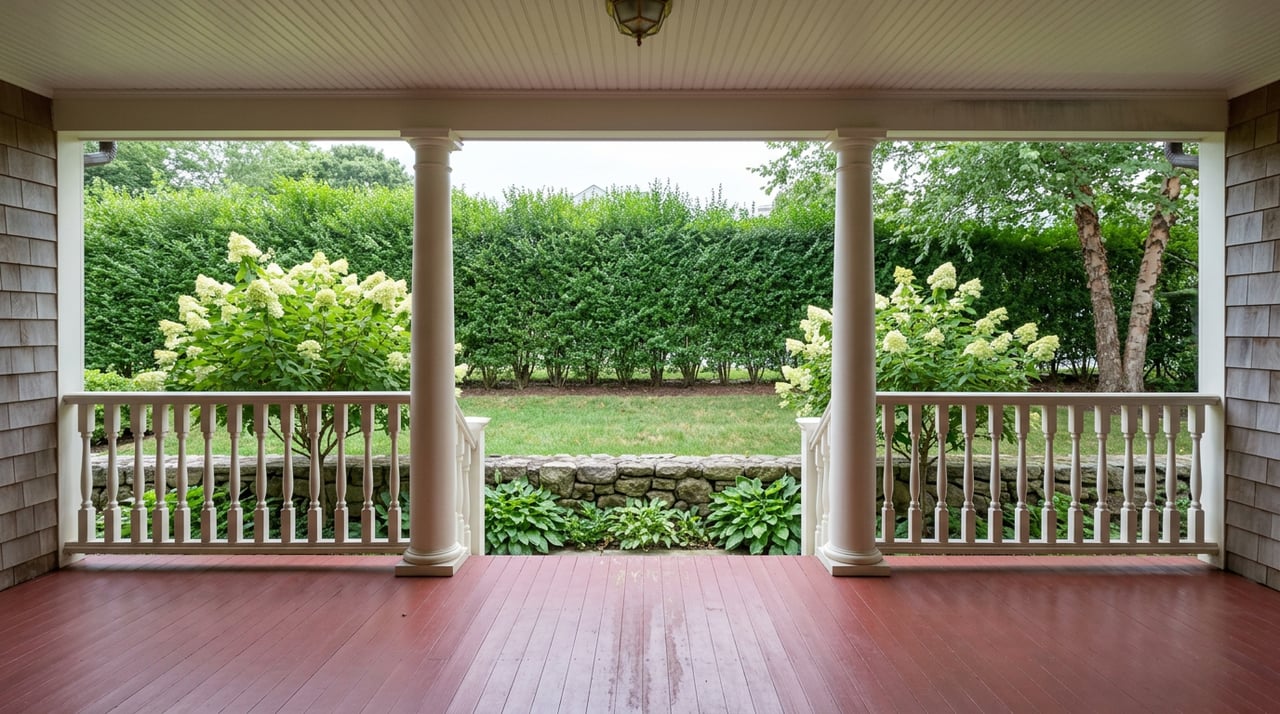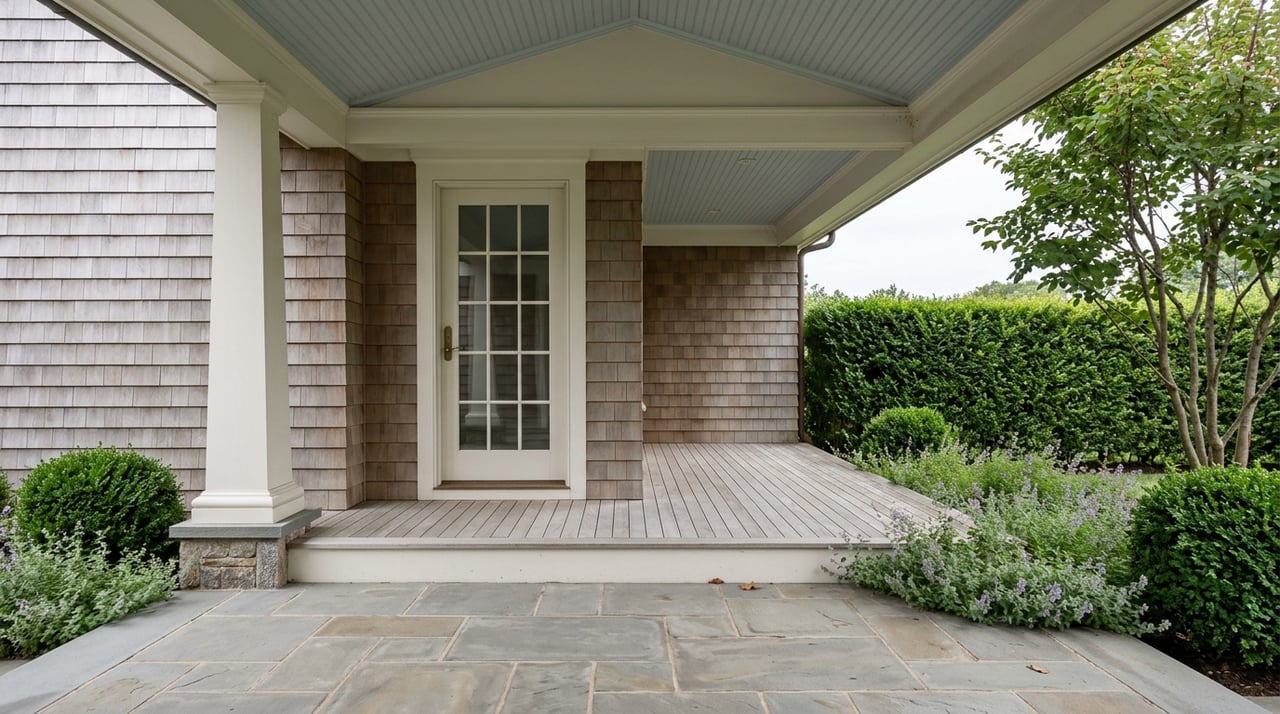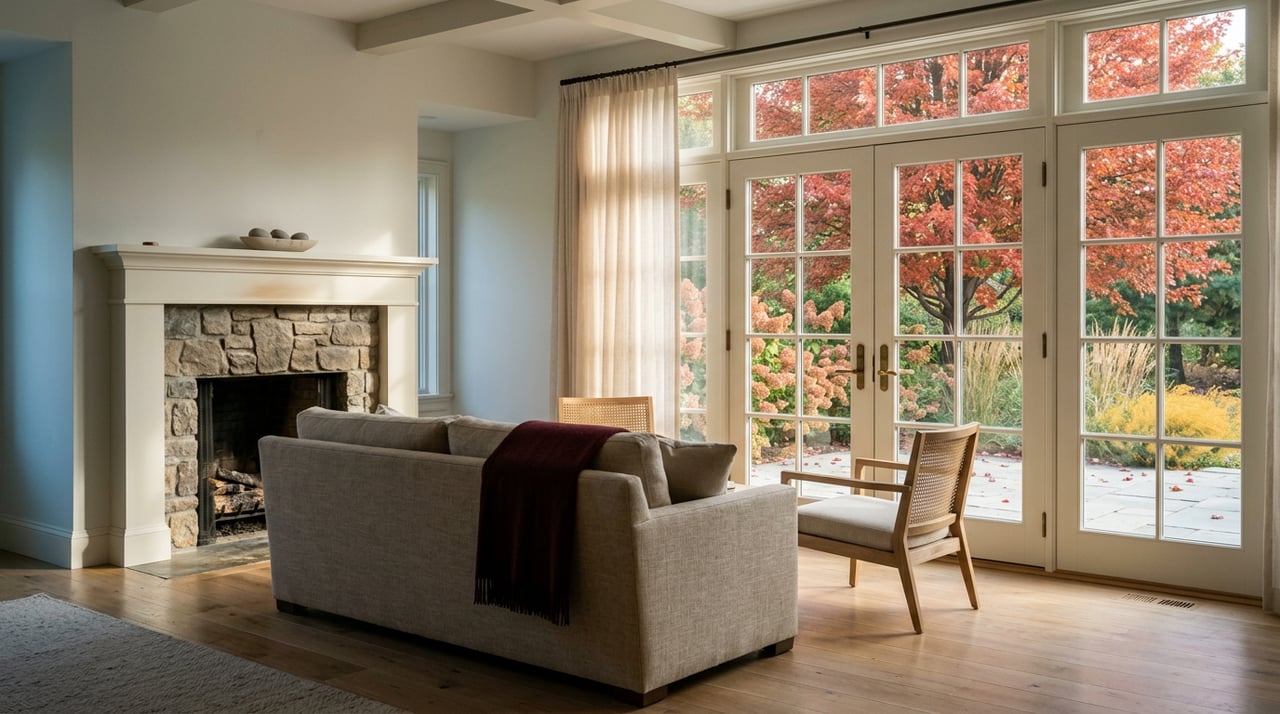
If you are thinking about buying a vacation rental in Glen Arbor, it helps to know this market does not behave like a typical year-round rental town. Glen Arbor is a destination market with strong summer demand, premium nightly rates, and a much quieter offseason. If you understand that rhythm before you buy, you can make a smarter investment decision and set more realistic expectations. Let’s dive in.
Why Glen Arbor Draws Vacation Rental Buyers
Glen Arbor is built around seasonal travel. The township reports about 900 year-round residents, around 5,000 seasonal residents, and more than a million visitors each year. Nearly half of Sleeping Bear Dunes National Lakeshore also sits within the township, which helps explain why visitor demand is such a big part of the local housing picture.
That matters because your rental performance here is tied more to vacation travel than to steady local housing demand. Sleeping Bear Dunes National Lakeshore recorded 1,589,248 annual visits, and park services change by season even though the park stays open year-round. In simple terms, Glen Arbor tends to shine in peak travel months and slow down when tourism fades.
What Glen Arbor Rental Numbers Show
Recent short-term rental data paints a clear picture of the market. AirROI reports average annual revenue of $31,798, average occupancy of 33.2%, an average daily rate of $508, and RevPAR of $193 across 103 active listings. The average booking lead time is also about 89 days, which suggests many guests plan well ahead.
The key takeaway is that Glen Arbor tends to earn more per booked night than some nearby markets, but it books fewer nights overall. That is an important difference if you are comparing investment options across Leelanau County. A high nightly rate can look attractive, but your underwriting still needs to account for seasonal gaps.
How Glen Arbor Compares Nearby
Looking at nearby markets helps put Glen Arbor in context. Empire shows $31,154 in average annual revenue with 43.1% occupancy and a $348 ADR. Lake Leelanau shows $32,705 in revenue with 42.1% occupancy and a $348 ADR.
Northport reports $37,774 in average annual revenue with 45.5% occupancy and a $332 ADR, while Suttons Bay Township reports $39,311 in revenue with 39.6% occupancy and a $456 ADR. Compared with those markets, Glen Arbor stands out for stronger pricing but lighter occupancy. That makes it a premium seasonal market, not necessarily the market with the deepest year-round booking base.
Seasonality Matters More Than You Think
In Glen Arbor, seasonality is not a side note. It is one of the main drivers of performance. AirROI identifies July as the peak revenue month and February as the low point, with the strongest stretch running through June, July, and August.
If you are shopping for an investment property here, you should build your plan around that seasonal pattern. Summer income may do much of the heavy lifting, so slower months can have a bigger effect on your annual results. This is one reason Glen Arbor buyers need to think beyond top-line summer pricing.
What Property Types Fit This Market
Glen Arbor’s short-term rental inventory is heavily focused on whole-home stays. AirROI reports that 98.1% of listings are entire home or apartment rentals, 61.2% are houses, 53.4% have three or more bedrooms, and 48.5% sleep eight or more guests. The average listing is designed for 6.5 guests.
That profile tells you a lot about guest demand. Glen Arbor appears to perform best as a family and group travel market rather than a studio-style or business-travel rental market. If you are evaluating a property, bedroom count, group sleeping capacity, and the overall whole-home experience are likely to matter.
Premium Homes Can Outperform
Not every property performs the same way, even in the same town. AirROI’s top Glen Arbor examples include a three-bedroom home with $105,666 in revenue, 78.5% occupancy, and a $724.80 ADR. Several four-bedroom homes also fall in the roughly $91,000 to $95,000 revenue range.
That does not mean every larger home will produce those results. It does show that well-located, well-positioned homes with strong amenities can outperform the market average by a wide margin. In a place like Glen Arbor, product quality and presentation can make a meaningful difference.
Management Is a Real Part of the Math
Vacation rentals in Glen Arbor can be self-managed, cohosted, or professionally managed. According to AirROI, 48.5% of listings are professionally managed and 27.2% are cohosted. The average stay length is about 5.2 nights, which means guest turnover happens often enough that operations matter.
Shorter average stays can create more work than some buyers expect. Cleaning schedules, maintenance coordination, guest communication, pricing updates, and calendar management all affect performance. If you do not plan to be local and hands-on, management strategy should be part of your buying decision from the start.
Local Labor Can Affect Operations
There is also a practical local issue to keep in mind. A Leelanau County workforce study found that Glen Arbor is among the places with the greatest need for seasonal employees, and more than 60% of survey respondents agreed that finding housing for seasonal workers is difficult.
For an investor, this can affect vendor availability during the busiest months. Cleaners, maintenance providers, and other service partners may be harder to secure in peak season. Reliable local relationships can be a real advantage when you own a short-term rental here.
Zoning and Due Diligence Deserve Extra Attention
In Glen Arbor, zoning is a major part of vacation rental due diligence. The township zoning ordinance lists permitted uses that include single-family dwellings, inns, lodges, hotels, motels, and rental cottages in certain districts. The township’s archived zoning materials also show that rental use has been addressed through ordinance amendments over time.
The practical lesson is simple. You should not assume every home is equally suited for short-term rental use just because it is in a vacation destination. Before you buy, confirm how the property’s zoning and land-use rules apply to your intended use.
Wells and Septic Systems Can Change the Deal
Glen Arbor also has a separate well and septic inspection at time of sale ordinance. The ordinance requires inspections of water supply and sanitary sewage systems and connects those systems to the Benzie-Leelanau District Health Department. For existing systems, the owner must request a district health department evaluation at least 30 days before closing.
This is especially important in a market with older cottages and seasonal homes. Septic and well capacity can directly affect property use, upkeep, and future planning. If you are evaluating a home as a vacation rental, this should be a core part of your review, not a last-minute item.
State Tax Rules Are Part of Ownership
Michigan also brings tax compliance into the picture. State Treasury guidance says lodging and accommodations are subject to the state’s 6% sales and use tax framework. If you plan to operate a short-term rental in Glen Arbor, tax setup is part of the business side of ownership.
This is another reason Glen Arbor works best for buyers who approach it as an operating asset, not just a casual second home that happens to generate income. The strongest investment decisions usually come from understanding the rules, costs, and seasonal patterns before you close.
How to Think About a Glen Arbor Investment
For many buyers, Glen Arbor makes the most sense when you view it as a premium, seasonal, whole-home rental market. Its strength is rate power during high-demand travel periods. Its challenge is that occupancy is lighter than in some nearby Leelanau County markets.
If you are comparing Glen Arbor with places like Empire, Lake Leelanau, Northport, or Suttons Bay, it helps to think in terms of rate strength versus occupancy depth. That shift in thinking can lead to better property selection and more realistic projections. A strong investment here often starts with the right location, the right property type, and clear-eyed due diligence.
Whether you are looking for a second home with income potential or a dedicated investment property, working with a local agent who understands Leelanau County can help you sort through zoning, property condition, market positioning, and resale potential. If you want a grounded, local perspective on Glen Arbor investment opportunities, connect with Jennifer Gaston.
FAQs
What makes Glen Arbor different from other Leelanau County vacation rental markets?
- Glen Arbor tends to have higher nightly rates but lower average occupancy than some nearby markets, making it more of a premium seasonal destination market.
What type of vacation rental property is most common in Glen Arbor?
- Most active short-term rentals are whole-home properties, and many have three or more bedrooms with room for larger groups.
What is the busiest vacation rental season in Glen Arbor?
- Summer is the strongest season, with June, July, and August performing best and July standing out as the peak revenue month.
What due diligence matters when buying a Glen Arbor vacation rental?
- Key items include zoning review, permitted use, off-street parking and site requirements, and well and septic inspections tied to the local time-of-sale ordinance.
What taxes should Glen Arbor short-term rental owners expect?
- Michigan Treasury guidance says lodging and accommodations are subject to the state’s 6% sales and use tax framework.