Are you tired of watching rent leave your account every month while home prices in Traverse City seem to keep climbing? If buying your first home here feels exciting and intimidating at the same time, you are not alone. The good news is that with the right budget, search strategy, and local plan, moving from renter to owner can still be realistic. Let’s break down what first-time buyers in Traverse City should know before they start house hunting.
Traverse City prices require a plan
Traverse City can be a challenging market for first-time buyers, especially if you are comparing local incomes with current home prices. The city’s median household income is $74,087, while the median owner-occupied home value is $415,400. In Grand Traverse County, the median household income is $81,647 and the median owner-occupied home value is $339,400.
Current market trackers put Traverse City home values in the mid-$400,000s. Median sale prices are running around $445,000 to $454,000, while the median list price is above $523,000. That gap helps explain why many first-time buyers need a clear budget, flexible expectations, and sometimes a wider search area.
Starter homes in Traverse City
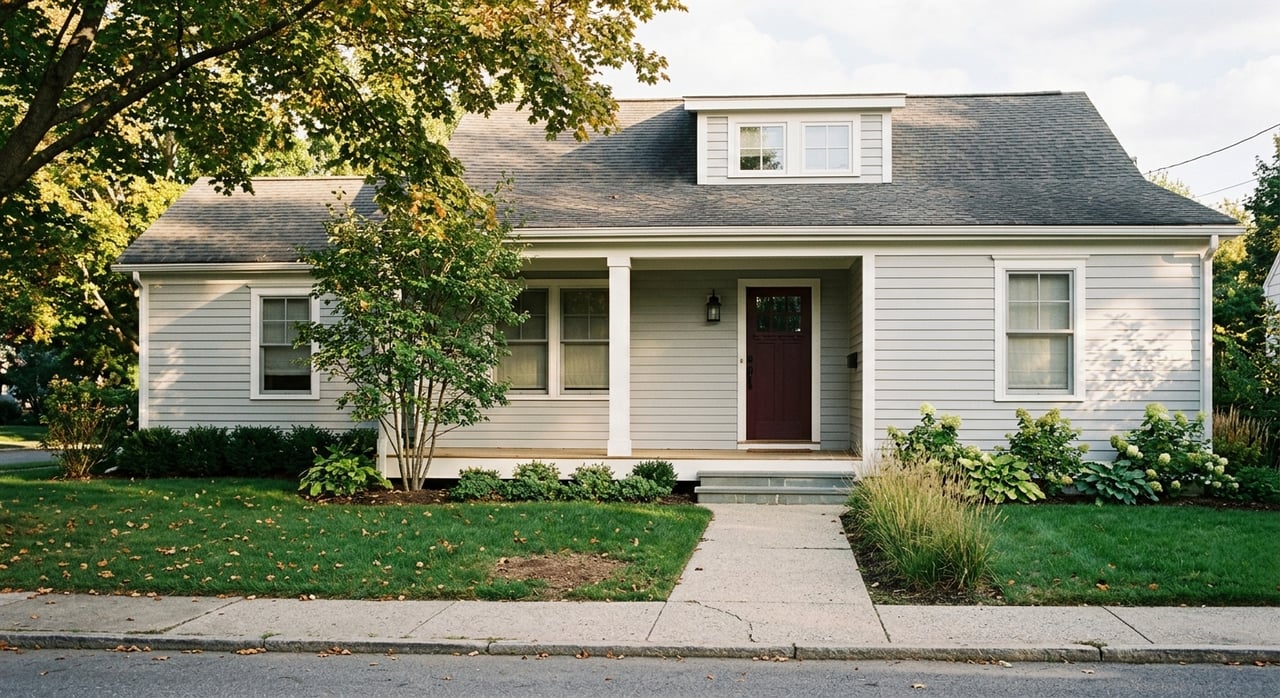
A starter home in Traverse City does exist, but it may not look like the classic image you have in mind. In this market, your first purchase may be a smaller single-family home, a condo, a townhouse, or a home outside the most central locations.
Recent listing snapshots showed 61 properties under $300,000 and 150 under $400,000 in Traverse City. Examples included houses in the mid-$200,000s to high-$300,000s, along with condos and townhomes starting around $175,000. That means there are options, but they tend to sit at the edges of the market rather than define it.
Condos can open the door
Condos are often a practical path for first-time buyers in Traverse City. At the same time, they are not always the bargain some buyers expect. Redfin showed 207 condos for sale in Traverse City with a median listing price of $462,000, which tells you the condo market includes both entry-level units and much more expensive properties.
If you are considering a condo, look beyond the list price. HOA dues, insurance, and monthly ownership costs all matter when you compare renting with buying.
Budgeting from rent to keys
The biggest shift from renting to owning is not just the down payment. It is understanding the full monthly cost of homeownership before you fall in love with a property.
As of June 25, 2026, Freddie Mac reported an average 30-year fixed mortgage rate of 6.49%. At that rate, the estimated principal-and-interest payment is about:
- $1,800 per month on a $300,000 home with 5% down
- $2,557 per month on a $450,000 home with 10% down
- $2,976 per month on a $523,667 home with 10% down
Those numbers do not include property taxes, homeowners insurance, HOA dues, or mortgage insurance. Your real monthly payment will be higher, which is why running the full math early matters so much.
Use the 28/36 rule as a gut check
Fannie Mae’s affordability guidance suggests keeping housing costs around 28% of gross income and total debt around 36%. Using that rule, a household at Traverse City’s median income has about $1,729 per month available for housing costs before taxes and insurance. A household at the county median has about $1,905.
That does not mean buying is impossible. It does mean many first-time buyers are most comfortable when they have two incomes, a larger down payment, a lower price point, or some form of down payment help.
Don’t forget upfront cash
Beyond the down payment, buyers should plan for closing costs that usually run about 2% to 5% of the purchase price. Earnest money is also typically 1% to 2% of the purchase price.
You should also budget for:
- Property taxes
- Homeowners insurance
- Possible HOA dues
- Maintenance and repairs
- A reserve cushion for unexpected costs
A healthy emergency buffer can make the transition to ownership feel much less stressful. The goal is not just to buy the home, but to feel stable after you get the keys.
Your rental history can help
If you have been paying rent on time, that record may support your path to homeownership. Fannie Mae notes that on-time rent payments can help with mortgage qualification.
That makes your paperwork important. Before you start shopping, gather records that show consistent rent payments, stable employment, and clean account history. For many first-time buyers, good documentation is one of the easiest ways to strengthen a loan application.
Traverse City is not one market
One of the most important things to understand is that Traverse City does not behave like a single, uniform market. Your experience can change quickly depending on where you search.
Countywide, Grand Traverse County is currently described as a buyer’s market. Homes are selling in a median of 51 days and at about 99% of asking price on average. That can create room to negotiate in some areas.
Inside the city, conditions are more mixed. Traverse City is described as somewhat competitive, with some homes selling over list and many others selling under list. In other words, some listings move quickly while others leave room for a buyer to negotiate.
Neighborhood differences shape your offer
Local numbers show how dramatic the difference can be. In Central Traverse City, the median sale price was $650,981 and homes sold in about 8 days, with some multiple-offer activity. In Downtown Traverse City, the median sale price was $799,731, homes sold in about 131 days, and the average sale was roughly 6% below list.
That split matters for first-time buyers. A home one neighborhood over may call for a very different pricing strategy, offer timeline, and negotiation approach.
What a strong first offer looks like
You do not always need the highest offer to compete well, but you do need to look prepared. In Traverse City, especially in more active pockets, a clean and organized offer can make a real difference.
Important offer pieces often include:
- A mortgage preapproval
- Earnest money
- Inspection contingency terms
- Financing contingency terms
- Flexible timing when appropriate
- An escalation clause in some competitive situations
Preapproval helps show that you are serious and financially ready. Contingencies also matter because they help protect you while still allowing you to make a solid offer.
First-time buyer programs in Michigan
For many Traverse City buyers, state-level programs can make the numbers work better. Michigan’s MSHDA MI Home Loan is available statewide for first-time homebuyers and requires a minimum credit score of 640.
After June 1, 2026, the statewide sales-price limit is $566,355. That means many starter homes, condos, and homes in nearby townships may fit under the limit, even if some higher-priced downtown properties do not.
MSHDA down payment assistance
MSHDA also offers the MI 10K DPA Loan, which can provide up to $10,000 for down payment, closing costs, and prepaid expenses. This program must be paired with the MI Home Loan and requires homebuyer education.
That combination can be especially helpful if your biggest hurdle is cash needed at closing. It is worth exploring early, because the right financing structure can shape your search budget from day one.
It is also important to know that MSHDA’s First-Generation DPA pilot is currently closed because funds were exhausted. Buyers should not count on that program as an active option right now.
A smart first-time buyer strategy
If you are trying to buy your first home in Traverse City, a strong plan usually starts with flexibility. You may need to adjust property type, location, size, or timing to find the right fit.
A practical approach often looks like this:
- Set your real monthly budget including taxes, insurance, and any HOA dues.
- Get preapproved early so you know your financing range.
- Look at multiple property types such as smaller homes, townhomes, and condos.
- Compare city neighborhoods with nearby townships to see where your budget stretches further.
- Keep your documents organized so you can move quickly when the right listing appears.
- Explore MSHDA options if down payment or closing cash is the main challenge.
The goal is not to force a purchase just to stop renting. The goal is to buy a home that fits your finances, your daily life, and your long-term plans.
From renter to owner with local guidance
Buying your first home in Traverse City can feel like a big leap, but it becomes much more manageable when you understand the numbers and the neighborhood differences. This market has a place for prepared buyers, especially those willing to look at a range of property types and areas.
If you want a local guide who can help you compare options, understand submarket differences, and build a practical first-time buyer plan, connect with Jennifer Gaston. You will get straightforward advice, local insight, and support from your first showing to closing day.
FAQs
What price range is realistic for a first-time homebuyer in Traverse City?
- Many first-time buyers look at smaller homes, condos, townhomes, or homes in less central locations, with some current listings under $300,000 and more options under $400,000.
Are condos a good option for first-time buyers in Traverse City?
- Yes, condos can be a practical entry point, but you should compare the full monthly cost, including HOA dues, because condo prices in Traverse City range from entry-level to much higher-end units.
How competitive is the Traverse City market for first-time buyers?
- It depends on the submarket. Grand Traverse County is currently described as a buyer’s market overall, but some city areas are more competitive and can move much faster.
What should first-time buyers budget beyond the down payment in Traverse City?
- You should plan for closing costs, earnest money, property taxes, homeowners insurance, possible HOA dues, maintenance, and a reserve cushion for unexpected expenses.
What Michigan first-time buyer assistance is available for Traverse City buyers?
- MSHDA’s MI Home Loan is available to eligible first-time buyers statewide, and the MI 10K DPA Loan may provide up to $10,000 for down payment, closing costs, and prepaid expenses when paired with that loan.
Can rent payment history help with a mortgage application in Traverse City?
- Yes, on-time rent payments can help support mortgage qualification, so it is smart to keep clear records of your payment history and employment documentation.