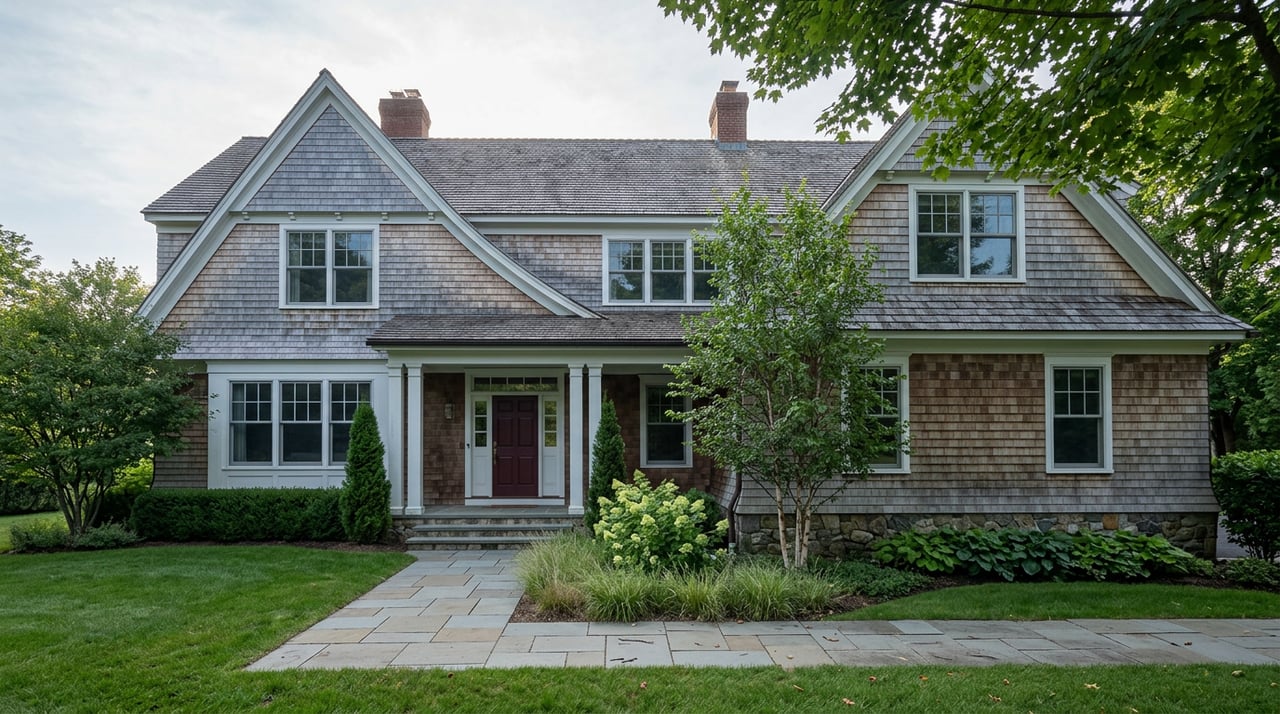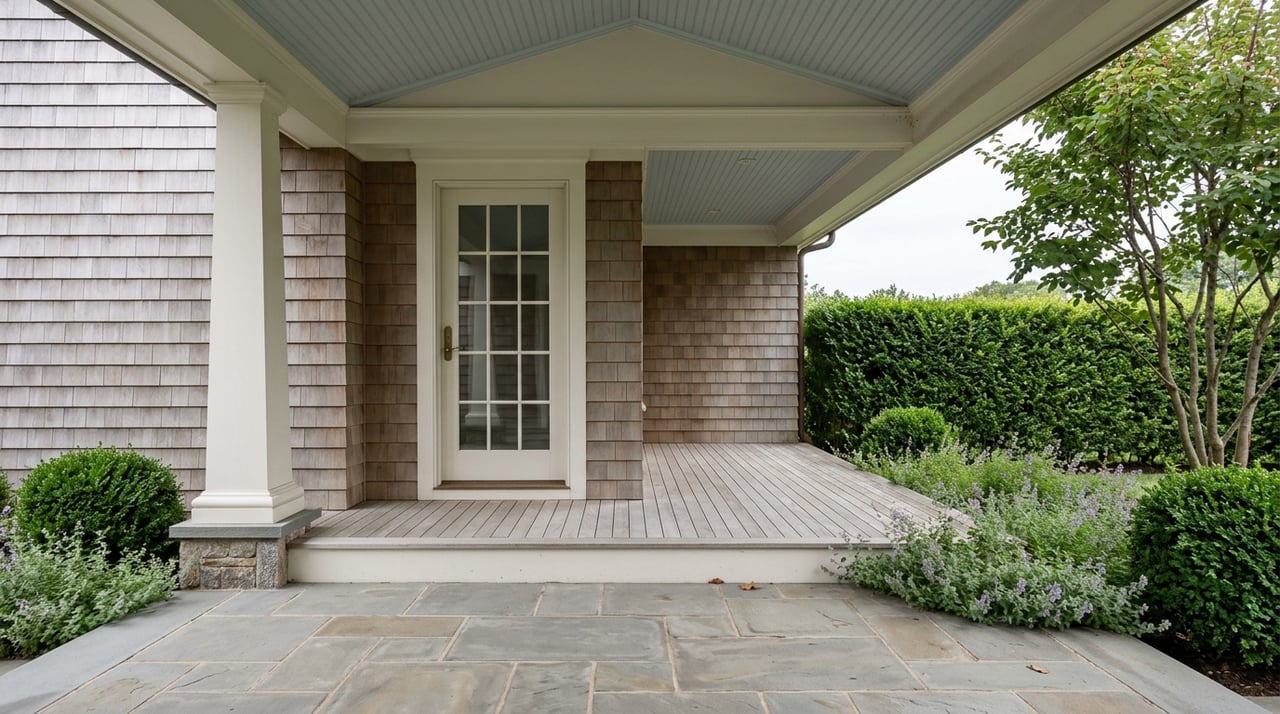
A buyer's agent called last month with a specific question: her clients wanted to replace the windows and re-side a cottage two blocks from Fishtown, and their inspector had flagged the property as sitting inside a National Register historic district. Did that mean they needed a permit from some historic commission before they could touch the exterior? Would the township tell them what color the trim had to be?
The honest answer surprised her, and it's the kind of answer that matters more than most of what gets written about Leland real estate. Being inside the Leland Historic District, which includes downtown and the area colloquially known as Fishtown, does not by itself put a homeowner's renovation plans in front of any local review board. That's not a loophole. It's how Michigan's preservation law actually works, and knowing the difference can save a buyer from walking away from a good house over a restriction that doesn't apply to them, and save a seller from fumbling a question they should be able to answer with confidence.
Two different things share the word "historic"
The Leland Historic District was designated a Michigan State Historic Site in 1973 and added to the National Register of Historic Places in 1975. It covers downtown Leland and the working waterfront known as Fishtown, and Fishtown picked up its own, updated National Register listing in 2022, decades after the original designation, reflecting continued documentation of the shanties, smokehouses, and docks along the Leland River.
Here's the part that gets lost in conversation: Michigan's own state historic preservation program is explicit that a National Register listing and a local historic district designation are not related. One is a listing, largely honorary for private owners unless they're chasing specific tax incentives. The other is a regulatory overlay created by a local unit of government, through its own ordinance, that comes with an appointed commission empowered to review exterior changes before a building permit is issued. Leland has the first. It does not, as far as township zoning documents show, have a townwide version of the second.
Where the review board actually exists
Michigan's Local Historic Districts Act gives cities, villages, and townships the option to create a Historic District Commission with real teeth. Where that ordinance exists, an owner has to file for a Certificate of Appropriateness before doing exterior work, the commission reviews the application against the Secretary of the Interior's preservation standards, and a denial can be appealed first to the State Historic Preservation Review Board and, if that fails, to circuit court. This is the process homeowners in cities like Detroit navigate every time they want to change a window or repaint a porch.
It's also the process that most people picture when they hear "historic district," and it's the reason the buyer's agent called. But that commission-and-permit structure only exists in the roughly 82 Michigan communities that have chosen to adopt the enabling ordinance and appoint a commission. Leland Township is not one of the places that has built that layer around its residential streets.
What Leland Township's zoning code actually covers
Leland Township does have a historic and cultural overlay written into its zoning ordinance, most recently reflected in amendment language reported by the Leelanau News. It is narrowly scoped. The district it defines covers parcels owned or operated by nonprofit and cultural organizations along Cedar and First Streets, east of Main Street. That means the Old Art Building, formally the Leelanau Community Cultural Center, and the Leland Township Public Library and Leelanau Historical Society campus, where signage, temporary structures, food trucks, and rentals go through the Zoning Administrator, with larger changes escalating to the Planning Commission under the township's special land use standards.
| Applies to | Reviewed by | Governs | |
|---|---|---|---|
| National Register listing | Downtown Leland and Fishtown | National Park Service (listing only) | Nothing by default for private owners |
| Michigan Local Historic Districts Act | 82 communities that adopted the ordinance | A local Historic District Commission | Exterior changes via Certificate of Appropriateness |
| Leland Township's cultural overlay | Nonprofit and cultural-org parcels on Cedar and First Streets | Zoning Administrator, Planning Commission for major changes | Signage, programs, rentals, temporary structures on those specific parcels |
A private home a few streets over, inside the same National Register boundary, sits in the top row of that table. Not the bottom two.
The one situation where the rules genuinely apply
There is a scenario where an owner in Leland does have to follow the Secretary of the Interior's standards, and it's worth naming because it's the source of most of the confusion. If a project seeks a federal historic rehabilitation tax credit, or involves federal funding or a federal permit, the review kicks in for that specific scope of work. That's a choice an owner makes, usually because the tax benefit is worth the added process, not a default condition that comes with the address. Nobody is required to pursue it, and choosing not to doesn't put a home out of compliance with anything.
Why this is worth settling before an offer, not after
Fishtown itself is in the middle of the largest capital project it has taken on in years, and it's a useful illustration of scale. The Fishtown Preservation Society, the nonprofit that has owned the core of Fishtown since 2007, purchased the John and Janice Van Raalte House and its half acre on South Lake Street in 2025 for $2.2 million, with plans to turn the 2,650-square-foot home into the organization's first real headquarters after nearly two decades renting space from the Leelanau Historical Society. The renovation budget runs to roughly $1,067,000, and as of the group's fall 2025 fundraising update it had closed about two-thirds of that gap, with a $120,000 matching gift helping close the remaining balance. The goal is to move in by the end of this year.
That's a nonprofit with a preservation mission choosing to renovate a historic-adjacent property on its own terms and its own timeline. A private homeowner two blocks away has even more latitude, because no commission is standing between their contractor and a building permit. The distinction matters at the negotiating table. A buyer who assumes restrictions that don't exist may price in renovation costs that never materialize, or worse, walk from a house they'd otherwise want. A seller who can't answer the question with confidence hands the buyer's inspector a reason to slow down a deal that should move.
Before you list or make an offer
- Ask Leland Township's zoning office directly whether the specific parcel falls under any overlay, rather than relying on "historic district" language in a listing description.
- If federal tax credits are part of the renovation plan, budget time for that review separately. It follows a different clock than a standard building permit.
- Keep any National Register documentation with the closing file. It has value for history and for certain financing programs, even though it doesn't dictate paint colors on its own.
- If a home sits directly within Fishtown's nonprofit-owned parcels rather than the surrounding residential streets, treat it as a distinct conversation. That property is owned and governed by the Fishtown Preservation Society, not sold as ordinary residential inventory.
A few direct questions
Does this mean I can do anything I want to a historic-district home in Leland? No. Standard building permits, code requirements, and any deed restrictions specific to the property still apply. What doesn't apply, absent a local ordinance the township hasn't adopted, is a separate historic design review board second-guessing exterior choices.
What if I want to apply for a historic tax credit anyway? That's available to pursue voluntarily, and it comes with its own paperwork and Secretary of the Interior standards for the specific project. It's worth a conversation with a preservation-focused accountant or attorney before committing to it as part of a renovation budget.
Is Fishtown's working waterfront the same as the residential streets nearby? No. Fishtown's shanties, docks, and the properties the Fishtown Preservation Society owns are a distinct, nonprofit-held site with its own stewardship goals. Homes for sale nearby, in the surrounding downtown streets, are ordinary residential property covered by the general rules described above.
If you're weighing an older home near downtown Leland or Fishtown and want a straight answer about what actually governs it before you write an offer, Jennifer Gaston can walk through the specifics with you and connect you with the right people at the township. Request a free home valuation to start the conversation on the right footing.