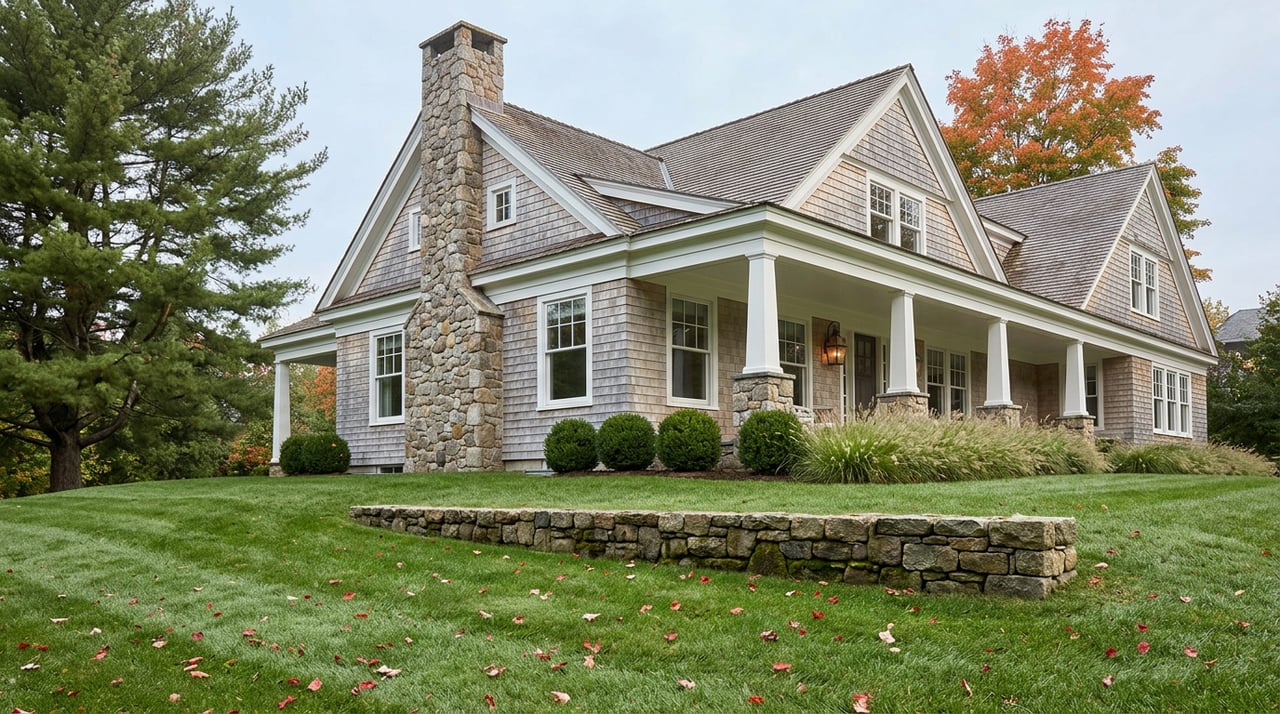
Buying a lakefront home in Glen Arbor can feel like stepping into the Northern Michigan lifestyle you have pictured for years. But once the view becomes yours, the experience is not just about sunsets, swimming, and dock days. You also take on a set of practical responsibilities that can shape how you use, maintain, and improve the property over time. If you want to know what daily life and long-term ownership really look like, this guide will help you prepare. Let’s dive in.
Lakefront ownership is a lifestyle and a responsibility
Owning a lakefront home in Glen Arbor is often as much about stewardship as it is about enjoyment. Local zoning rules, shoreline permitting, and health department requirements can all affect what you can build, change, or repair. That is true for Lake Michigan frontage and for inland waterfront property, including Big Glen Lake and Little Glen Lake.
If you are buying a primary home, second home, or investment-minded getaway, it helps to go in with clear expectations. A beautiful shoreline setting can come with more planning, more maintenance, and more recurring costs than a typical inland property. The good news is that when you understand those moving pieces early, you can make much more confident decisions.
Glen Arbor permits matter early
Before you assume you can add a structure, extend a deck, move a dock, or change utilities, start with Glen Arbor Township’s zoning and permit process. The township’s land-use review can require documentation for other federal, state, and local approvals before a project moves forward.
Current site-plan requirements ask applicants to show features such as wells, septic systems, stormwater controls, landscaping, natural features, and the location of waterfront structures and docks. In simple terms, waterfront improvements tend to involve a fuller review than many buyers expect.
The township also notes that a building permit should not be filed until other required permits are already in hand. That timing matters. If you plan to renovate soon after closing, you will want to understand the approval path before you budget your project timeline.
Waterfront rights and shoreline definitions
Glen Arbor’s zoning ordinance defines terms like the ordinary high-water mark and distinguishes riparian from non-riparian parcels. That may sound technical, but it matters if you expect to add or change a dock, boat lift, or shoreline feature later.
Not every parcel gives you the same shoreline rights or improvement options. If a property’s waterfront use is central to your plans, this is one of the most important due diligence points to review before you buy.
Boathouse rules are specific
If a home has a boathouse or you hope to build one, Glen Arbor has specific rules to know. Residential boathouses are limited to one story and 20 feet in height, and they may not be rented or used commercially.
The ordinance also treats boathouses differently from some other shoreline structures when it comes to setback rules. Even so, you should still confirm how the parcel, structure, and intended use fit current township standards before moving ahead.
State shoreline rules can shape your plans
For Great Lakes frontage, Michigan EGLE requires permits for many projects below the ordinary high-water mark. That can include filling, dredging, and structures such as docks, boat lifts, and seawalls.
EGLE also requires permits for structures, additions, and septic systems proposed in high-risk erosion areas. If you are buying on Lake Michigan, this is especially important because the shoreline can be dynamic, and improvement plans that seem simple may need more review than expected.
High-risk erosion is a real factor
EGLE defines high-risk erosion areas as shorelines eroding at an average rate of at least one foot per year over 15 years or more. In those areas, setbacks and vegetation protection can play an important role in reducing long-term risk.
That means your dream project may need to adapt to the site rather than the other way around. On some properties, preserving native vegetation and respecting natural setbacks may be part of protecting the home as much as complying with the rules.
A pre-application meeting can save time
If you are unsure whether a shoreline project needs a permit, EGLE offers pre-application meetings. For buyers and owners, that can be a smart first step before spending money on design work or construction planning.
This is especially useful when you are considering work near the waterline or on a bluff. A quick early review can help you avoid delays and surprises later.
Privacy may differ from your expectations
One common misconception about Great Lakes frontage is that owning the shoreline means complete privacy along the beach. In Michigan, beach walking is legal on Great Lakes shoreline even across privately owned shoreline, though people may not linger or use the beach for activities like camping or sunbathing without permission.
If you are comparing Lake Michigan frontage with inland-lake frontage, this difference matters. Your day-to-day experience of privacy may not be the same on every kind of waterfront property.
Winter ownership takes real planning
In Glen Arbor, winterization is not a small seasonal chore. It is one of the biggest parts of owning a lakefront home, especially if the property sits vacant for part of the year.
Michigan’s winter preparedness guidance warns about freezing pipes, propane shortages, and power outages. The state recommends insulating vulnerable pipes, disconnecting and draining exterior lines, and keeping the thermostat no lower than 55 degrees if a home will be vacant.
That 55-degree benchmark also aligns with Red Cross winter guidance. For seasonal owners, that means you should plan for winter utility use even when you are not actively staying in the home.
Vacant homes need check-ins
Michigan also recommends having a friend or neighbor check the house daily during winter absences. That advice is especially important for second-home owners in Glen Arbor.
A frozen pipe can become an expensive problem quickly. Michigan notes that even an eighth-inch crack in a frozen pipe can leak up to 250 gallons a day, causing damage to floors, furniture, and personal property.
For many owners, this leads to a simple reality: you need a local check-in plan. Whether that support comes from a neighbor, caretaker, or service provider, vacant-home planning should be part of your ownership budget and routine.
Wells and septic systems need ongoing care
Many lakefront homes in Glen Arbor rely on private wells and on-site sewage systems. That means water and wastewater are not a set-it-and-forget-it part of ownership.
The Benzie-Leelanau District Health Department evaluates building sites and issues construction permits for sewage systems. Glen Arbor’s point-of-sale ordinance also requires inspection of water-supply and sanitary-sewage systems when a property is sold.
Septic maintenance is part of the job
Routine septic care is the owner’s responsibility. Regular maintenance helps reduce the risk of system failure, environmental harm, and expensive repair work.
General maintenance guidance says septic systems should typically be inspected every 1 to 3 years and pumped every 3 to 5 years. For buyers, that means septic condition and service history should be part of both pre-closing due diligence and your long-term ownership plan.
Well testing should be routine
Private well owners should also plan for regular water testing. Guidance for well owners recommends testing at least once a year for total coliform bacteria, nitrates, total dissolved solids, and pH.
It is also wise to inspect visible well components, keep contaminants away from the well area, and maintain service records. On a lakefront property, these simple habits support both water quality and long-term property care.
Shoreline conditions can change over time
One of the biggest truths about waterfront ownership is that the shoreline is not static. Great Lakes water levels are cyclical, and how high water affects a property can depend on the shoreline type.
EGLE also notes that erosion is a natural shoreline process. Hard armoring can be temporary, and maintaining native shoreline vegetation is often part of good long-term management.
For you as an owner, this means lakefront property should be viewed as an evolving environment. A shoreline that looks stable today may still need monitoring, maintenance, and thoughtful planning over time.
Budget beyond the mortgage
Lakefront ownership costs often go beyond what buyers first estimate. In addition to your mortgage, taxes, and homeowners insurance, you may need to budget for winter utility use, snow or storm response, well testing, septic inspection and pumping, and shoreline upkeep.
If the property is part of a condo or homeowners association, you may also have dues to pay directly to the association. Those dues are usually separate from the mortgage payment, so they should be factored into your affordability plan from the start.
For second-home and investor buyers, this bigger picture matters. A lakefront property may deliver an incredible lifestyle, but it usually works best when your ownership budget reflects the full reality of care, compliance, and seasonal operations.
Rental assumptions should be checked carefully
If you are buying with future rental use in mind, do not assume that rental use is automatic. Glen Arbor’s zoning table includes uses such as inns, motels, and rental cottages in some districts, which means the intended rental model should be checked against the parcel’s zoning.
You should also review any condominium or homeowners association documents if they apply to the property. For buyers focused on seasonal income or flexible use, this step is essential before underwriting the purchase.
Why local guidance matters in Glen Arbor
Lakefront purchases in Glen Arbor are rarely one-size-fits-all. The right property for you depends on how you want to use it, what improvements you may want later, how often the home will sit vacant, and how comfortable you are managing systems like wells, septic, and shoreline maintenance.
That is why local guidance can make such a difference. When you understand township process, state shoreline rules, and the practical realities of second-home ownership, you are in a much stronger position to choose the right property and avoid costly surprises.
If you are considering a lakefront home in Glen Arbor or anywhere in Leelanau County, working with a local expert can help you weigh the view, the lifestyle, and the real responsibilities that come with ownership. Reach out to Jennifer Gaston for thoughtful guidance on finding the right Northern Michigan waterfront property for your goals.
FAQs
What should buyers know about permits for a Glen Arbor lakefront home?
- Buyers should know that Glen Arbor Township review and Michigan EGLE permits may both apply, especially for projects involving docks, seawalls, additions, shoreline work, or areas near the ordinary high-water mark.
What should owners expect for winter maintenance at a Glen Arbor lakefront property?
- Owners should expect to winterize carefully, keep the heat at no lower than 55 degrees during vacancies, drain exterior lines, protect pipes, and arrange daily check-ins during winter absences.
What should buyers know about wells and septic systems in Glen Arbor?
- Buyers should know that point-of-sale inspections of water-supply and sanitary-sewage systems are required locally, and long-term ownership usually includes annual well testing plus regular septic inspection and pumping.
What should owners expect about privacy on Lake Michigan frontage in Glen Arbor?
- Owners should expect that beach walking is legal along Great Lakes shoreline in Michigan, so privacy along Lake Michigan frontage may differ from what some buyers expect.
What should investors know about rental use for Glen Arbor waterfront homes?
- Investors should know that rental plans should be checked against parcel zoning and any association documents because the intended rental use may not be allowed in every location or property type.
What should lakefront owners budget for in Glen Arbor?
- Owners should budget for more than the mortgage, including taxes, insurance, winter utilities, storm or snow response, well testing, septic service, shoreline upkeep, and HOA dues if applicable.