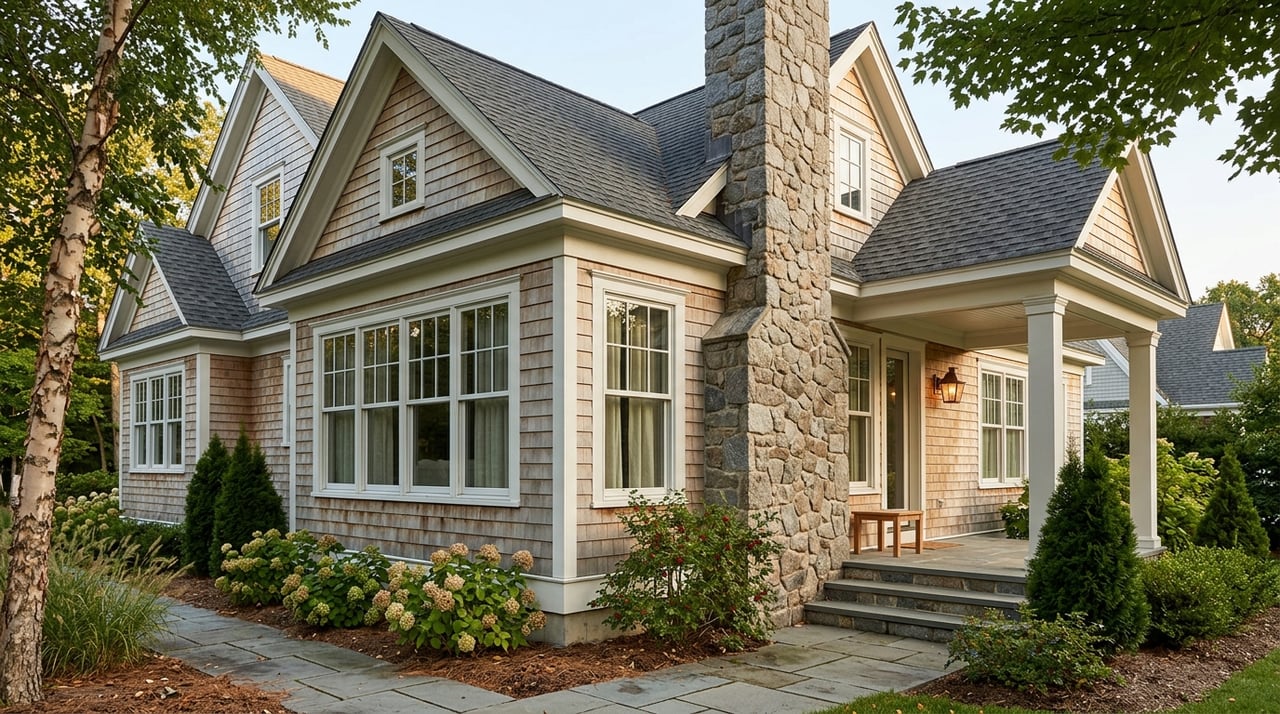
If you own a cottage in Leland, you may be asking a very timely question: should you sell now while inventory is tight, or hold and wait for a better moment? That decision can feel especially tricky in a market where values are high, waterfront options are limited, and buyer demand is still present but more selective than it was a few years ago. The good news is that the data points to a clear framework you can use to weigh your options with confidence. Let’s dive in.
Leland Is Still a Premium Cottage Market
Leland continues to stand out as one of the highest-value markets in the area. According to Zillow’s Leland home value data, the typical home value is about $1,106,252, even with a modest 0.6% year-over-year dip.
That matters because Leland is still priced above nearby markets in this regional sample. Zillow shows typical values of $835,321 in Lake Leelanau, $764,901 in Northport, $614,331 in Empire, $598,415 in Suttons Bay, and $594,784 in Glen Arbor, which helps reinforce Leland’s position as a premium market.
Inventory is also very limited. Zillow reports just 7 homes for sale in Leland, while Realtor.com’s Leelanau County market data shows about 206 active listings countywide, a median listing price of $750,000, 56 median days on market, and a 97% sale-to-list ratio.
Low Waterfront Supply Helps Sellers
If your cottage has waterfront or even strong water-oriented appeal, the supply picture gets even tighter. Zillow’s waterfront search in Leland shows just 2 waterfront results, compared with 37 in Leelanau County overall.
That kind of scarcity can work in your favor if your property is well prepared and well priced. Buyers looking specifically for a Leland cottage often are not comparing your home to a large number of direct substitutes.
This does not mean every cottage will command a premium automatically. It does mean that a distinctive property in good condition has a stronger chance to attract serious attention in a market with limited waterfront choices.
Buyer Demand Still Supports Cottage Sales
The broader buyer backdrop remains supportive for second-home and lifestyle markets. The National Association of Realtors REALTORS Confidence Index reports that 16% of buyers purchased non-primary residences, 5% bought for vacation use, 31% paid cash, and homes received an average of 2.3 offers.
For cottage owners in Leland, those numbers matter. They suggest there are still buyers with flexibility, equity, and cash who are active in markets like this, even if today’s pace is calmer than a true frenzy.
NAR also found in its 2024 Profile of Home Buyers and Sellers that first-time buyers made up just 24% of the market, while repeat buyers used a median 23% down payment and 26% of all buyers paid cash. That can be especially relevant in a cottage market, where many buyers are not relying on entry-level financing.
Why Pricing and Presentation Matter More Now
Even in a strong niche market, buyers are more value-conscious when conditions are balanced. Realtor.com describes Leelanau County as a balanced market, which means sellers still have opportunity, but they cannot count on any listing to sell quickly without a smart strategy.
In practical terms, this is not a market that rewards overpricing or poor presentation. With a median marketing time of 56 days countywide, buyers may be willing to wait for the right property or negotiate when a home needs work.
That is why the answer to sell or hold often comes down to how ready your cottage is right now. A turnkey home with broad appeal may be in a better position to capitalize on thin inventory than a property that still needs major updates.
Long-Term Appreciation Favors Patience
If you are leaning toward holding, there is data to support that view too. The FHFA house price index for Leelanau County on FRED rose from 100 in 2000 to 281.22 in 2024, which is roughly 181% growth over that period.
More recently, the county index rose about 68.5% from 2020 to 2024. While FHFA notes this county-level index is best used as directional evidence rather than a property-specific valuation, it does show a strong long-term appreciation trend.
That long view is one of the best arguments for holding a Leland cottage, especially if you believe demand for premium Northern Michigan homes will stay durable over time. If your property is in a prime location and you do not need to sell now, waiting may still fit your goals.
Recent Signals Are More Mixed
At the same time, the short-term market is not showing runaway growth. Zillow’s Leland value data shows a slight 0.6% year-over-year decline, and Realtor.com reports county median sale prices up only 0.68% year over year.
Those numbers do not point to a distressed market. They do suggest a market that is stable, selective, and more dependent on condition, pricing, and buyer fit than on fast appreciation alone.
That is an important distinction. If you are waiting purely for a dramatic near-term price jump, current data does not clearly support that expectation.
Sell If Your Cottage Checks These Boxes
Selling may make the most sense if your property is already positioned to compete well.
Your cottage is in strong condition
If your home is clean, updated, and easy to show, you may be able to benefit from Leland’s limited supply without taking on major prep costs. Buyers in premium markets often respond best to homes that feel ready to enjoy right away.
Your waterfront or location is hard to replace
Scarcity matters. If your cottage offers waterfront, water views, or a location that buyers strongly prefer, limited competing inventory could make this an appealing time to test the market.
You want to cash out while supply is low
Low inventory is often one of the clearest reasons to consider selling. When buyers have fewer options, a well-marketed listing may stand out more than it would in a more crowded market.
Your tax picture supports a sale
Taxes can change the math in a big way. The IRS rules on the sale of your home explain that sellers may exclude up to $250,000 of gain, or $500,000 for married couples filing jointly, if they meet the ownership and use tests for a main home.
If your cottage has been a second home or rental, the tax outcome may be very different. The IRS also notes that prior depreciation generally cannot be excluded, which is why it is smart to review your situation with a tax professional before listing.
Hold If These Factors Apply
Holding may be the better move if your timing, property condition, or tax situation is not lined up yet.
The home still needs major work
According to NAR’s consumer guide on preparing to sell, a pre-sale inspection can help identify significant repair items such as roofs, HVAC systems, or appliances that may affect negotiations. If your cottage needs meaningful work, selling now could lead to discounts or repair requests.
In that case, holding may give you time to decide whether selective improvements could increase your net proceeds later.
You believe in long-term appreciation
If your outlook is focused on the next five to ten years, Leland’s long-run appreciation history may support patience. That is especially true if your cottage is in a location with enduring appeal and you are not under pressure to sell.
You are waiting on tax timing
A tax-use timeline can be a major reason to hold. If waiting would improve your after-tax outcome, that could outweigh the current market opportunity.
For second homes or rentals, the IRS guidance on basis and sale of home questions is another reminder that details matter. A CPA review can help you understand your likely net before you make a decision.
Small Improvements Can Change Your Result
You do not always need a major remodel to improve your sale outcome. NAR’s staging guidance shows that 83% of buyers’ agents said staging makes it easier for buyers to visualize the property as a future home, with living rooms, primary bedrooms, and dining rooms among the most commonly staged spaces.
For a Leland cottage, that suggests a practical strategy:
- Clean and declutter thoroughly
- Address obvious maintenance items
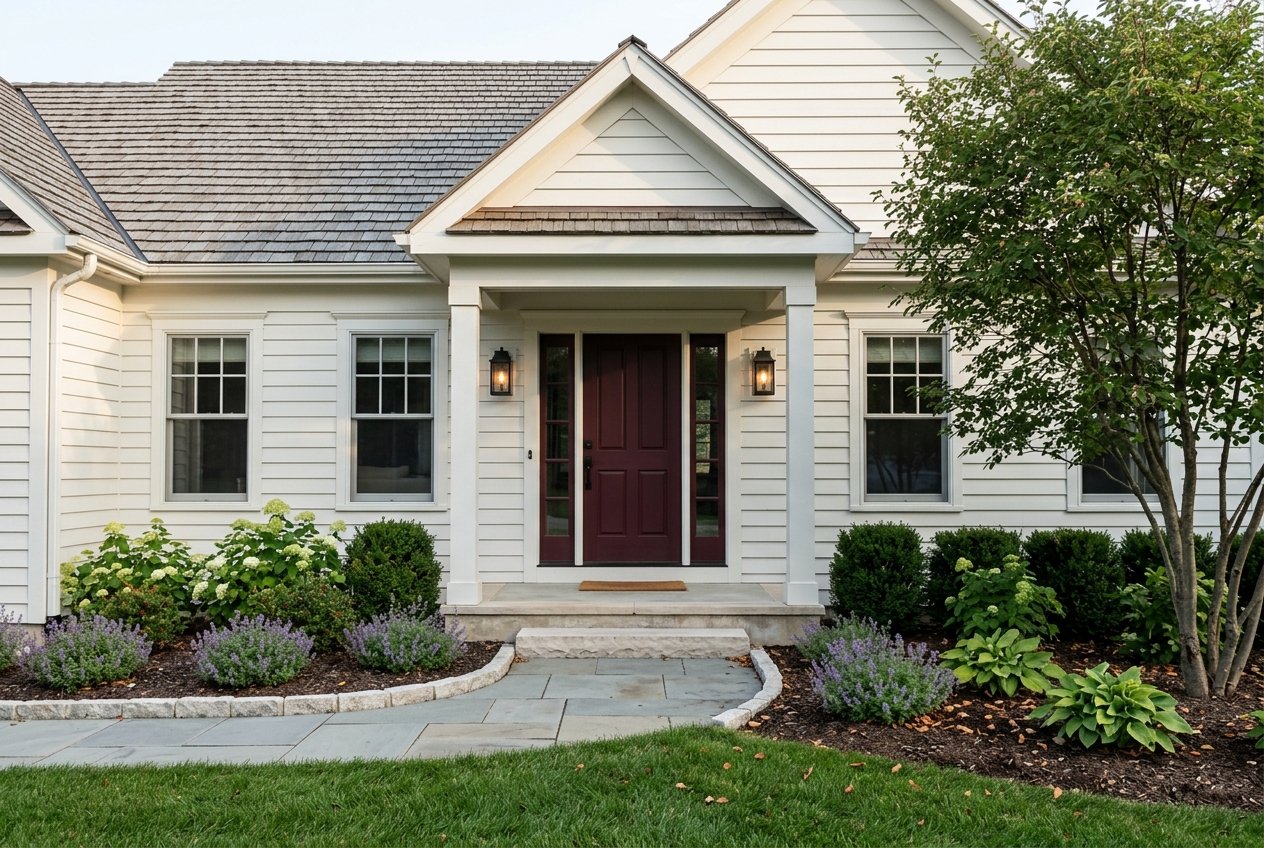
- Improve curb appeal
- Focus on bright, attractive listing photos
- Highlight the rooms and views buyers will remember most
In many cases, thoughtful presentation may offer a better return than expensive discretionary upgrades.
A Simple Way to Decide
If you are weighing whether to sell or hold, start with these three questions:
- Is your cottage ready for the market today?
- Would selling now produce the after-tax net you want?
- Are you holding for a clear reason, or just waiting?
If your home is turnkey, inventory is thin, and your financial timing works, selling may be the stronger option. If the property still needs work, your tax picture is not ideal, or you are confident in the long-term value of holding, waiting may make more sense.
The key is not guessing. It is evaluating your cottage through the lens of condition, competition, demand, and net proceeds.
When you are ready to talk through your options, Jennifer Gaston can help you evaluate your property, timing, and next steps with local market insight and a thoughtful seller strategy.
FAQs
Should you sell a waterfront cottage in Leland when inventory is low?
- Low waterfront supply in Leland can favor sellers, especially if your cottage is well presented, competitively priced, and offers features that are hard to find nearby.
Should you hold a Leland cottage if prices are not rising quickly?
- Holding can still make sense if you believe in long-term appreciation, do not need to sell now, and your property has enduring location appeal.
How important is condition when selling a cottage in Leland?
- Condition matters a lot in a balanced market because buyers tend to be more selective when homes are not selling in a frenzy.
What tax issues matter when selling a second home or rental cottage in Leland?
- Ownership, use, depreciation, and whether the property qualified as a main home can all affect your after-tax proceeds, so a CPA review is often a smart step.
What should you improve before listing a Leland cottage for sale?
- Start with cleaning, decluttering, curb appeal, and any major repair items that could affect negotiations, then focus on presentation that helps buyers picture the home clearly.