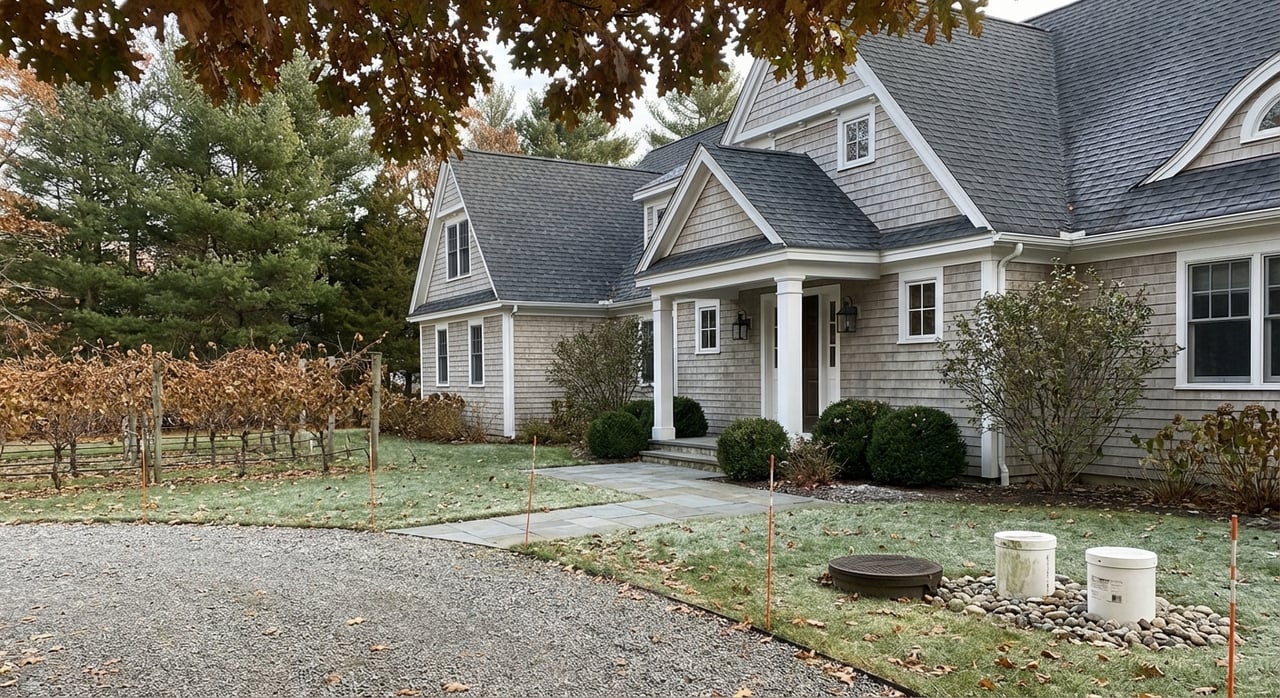
Dreaming of a home that puts you close to vineyards, blue water, and downtown Traverse City? Old Mission Peninsula delivers that lifestyle, but it comes with unique rules that shape what you can build and how you use the land. If you understand these local details early, you can shop with confidence and avoid costly surprises. In this guide, you’ll learn the essentials on zoning, shoreline setbacks, wells and septic, winter roads, and utilities in 49686. Let’s dive in.
Start with zoning basics
Peninsula Township is the zoning authority for Old Mission Peninsula, and its ordinance controls setbacks, permitted uses, and special approvals. Review the current code and ask the Township to confirm what is allowed on your specific parcel. The consolidated ordinance is the best starting point for site planning and due diligence.
- Read the Township zoning ordinance for setbacks and permitted uses: Peninsula Township Zoning Ordinance.
A‑1 Agricultural areas
Much of Old Mission is zoned A‑1 Agricultural. Agricultural uses are primary, and residential density is limited. If you plan agritourism or business activity, treat it as regulated and confirm whether a special use permit is required under the ordinance. Some winery and event uses have been closely managed by the Township, so get clarity in writing before you invest.
PDR easements and development rights
Peninsula Township’s Purchase of Development Rights program has protected thousands of acres through conservation easements that limit subdivision and non‑agricultural development. Always check the deed for a recorded easement and read what it allows or restricts. These easements run with the land and bind future owners. Learn more about the program’s impact in this overview of the Township’s Purchase of Development Rights.
Waterfront rules and setbacks
If you are buying shoreline, setbacks and low‑profile waterfront features are the key issues. The Township ordinance sets a standard 60‑foot setback from the ordinary high‑water mark for principal structures in most districts. The code allows narrow exceptions for low‑profile features like docks, boat hoists, and specific deck elements within a controlled building envelope. For example, certain deck components may be allowed within a defined envelope that keeps a minimum horizontal distance of 35 feet from the water and limits height and enclosed storage. Treat these as narrow allowances and verify all dimensions with a survey and Township review. See the shoreline and setback sections in the zoning ordinance.
Vegetation, grading, and shared access
Filling and grading near the shore are regulated, and vegetation removal is limited in a 35‑foot strip inland from the normal high‑water mark. Shared waterfront arrangements require a land use permit with conditions that manage crowding and conflict. If a listing markets shared access, request the recorded easement, association bylaws, and any Township permit.
Flood data and maps
Flood zone designations affect buildability and insurance. The Township relies on FEMA flood maps and local flood elevation references within its shoreland rules. Pull the relevant FEMA FIRM panel for the parcel and confirm any base flood elevation before finalizing a build site. The zoning ordinance references how flood elevations apply.
Wells, septic, and Time‑of‑Transfer
Private wells and on‑site septic systems are common on the peninsula. Grand Traverse County’s Environmental Health Division handles permits, site evaluations, and records for new or replacement systems. If your property is near surface water, a new county rule adds a required evaluation at sale.
New county rule effective 2026
Starting January 1, 2026, properties with a well or septic located within 300 feet of surface water must complete a Time‑of‑Transfer evaluation at sale or transfer. If your parcel falls within the county’s 300‑foot layer, make this evaluation a clear purchase contingency and budget for any repairs that may be required. Review the county’s guidance and evaluator information on the Time‑of‑Transfer Evaluations page.
Water testing and septic checks
Follow state guidance for private well testing. Test annually for total coliform and E. coli and check nitrates, with broader panels like arsenic or lead every few years or when conditions suggest risk. For septic, request the original permit, service records, and a professional evaluation of the tank and drainfield. Michigan’s environmental agencies offer practical testing tips for private owners in this EGLE well testing resource.
Winter roads and daily access
Traverse City winters deliver significant snowfall that shapes daily life, especially on narrow peninsula roads. Historical norms show over 100 inches of total snowfall in a typical season, most often from December through March. Plan for driveway plowing, longer travel times, and occasional heavy storms. See average totals for the area in this summary of Traverse City snowfall norms.
Plow priorities and maintenance
The Grand Traverse County Road Commission prioritizes state highways and main paved routes first. Gravel and subdivision roads are lower priority and may be cleared later. Some stretches are narrow or can be affected by shoreline erosion, which may prompt temporary closures. Confirm whether your road is maintained by GTCRC or privately and ask about typical plow timing. Review GTCRC’s winter maintenance priorities.
Utilities and broadband
Broadband and cable service are expanding, but availability is highly address specific. Providers like Spectrum have announced new coverage in parts of Grand Traverse County, yet installation timelines can vary. Get written confirmation of service for the exact address before closing. See an example of recent expansion in Spectrum’s Grand Traverse County broadband announcement.
Your due‑diligence checklist
Use this quick list to write into your offer and inspection timelines:
- Title and deed search for recorded PDR or conservation easements and any shared‑waterfront or access easements. Start with an overview of the PDR program’s impact.
- Zoning verification from the Township that confirms setbacks, permitted uses, and whether a special use permit is needed for any planned changes. Reference the Peninsula Township zoning ordinance.
- Shoreline and flood due diligence: a survey that shows the ordinary high‑water mark, a FEMA FIRM check for mapped flood zones, and documentation for any prior shoreline work or permits.
- Well and septic protections: a lab water test and a professional septic evaluation. If within 300 feet of surface water, add the county’s Time‑of‑Transfer requirement as a contingency.
- Winter access confirmation: who maintains the road, how often it is plowed, whether access is private, and any history of seasonal closures. See GTCRC’s plow priorities.
- Utilities: written, address‑specific confirmations for internet and power availability, plus any construction or easement needs.
How a local advisor helps
Buying on Old Mission Peninsula is part lifestyle, part logistics. A local agent can coordinate title and zoning verifications, line up well and septic evaluations, and help you compare parcels by shoreline rules, winter access, and utility options. If you are relocating or purchasing a second home, it helps to have one point of contact who knows the nuance of A‑1 zoning, PDR easements, and waterfront permitting.
When you are ready to explore 49686, connect with Jennifer Gaston for calm, local guidance and full‑service buyer representation in Old Mission Peninsula and across Grand Traverse County.
Helpful contacts and resources
- Peninsula Township Planning and Zoning: start here for staff contacts and ordinance access on the Township website.
- Grand Traverse County Environmental Health: permits, records, and septic guidance via the On‑Site Septic Systems page.
- Michigan EGLE and MDHHS: private well testing and safety resources (see EGLE link above).
- Grand Traverse County Road Commission: winter maintenance policies and plow priorities (see GTCRC link above).
FAQs
What should I check first when buying in 49686?
- Start with a title review for any PDR or conservation easements, confirm zoning setbacks and permitted uses with the Township, then verify well and septic status and winter road maintenance.
How close can I build to the water on Old Mission?
- The Township ordinance generally requires a 60‑foot setback for principal structures, with narrow allowances for low‑profile features like docks and specific deck elements that meet strict rules.
What is the Time‑of‑Transfer rule in Grand Traverse County?
- Beginning January 1, 2026, properties with a well or septic within 300 feet of surface water must complete a county evaluation at sale or transfer, which can trigger repairs before closing.
How do I verify if a property has a PDR easement?
- Ask your title company or attorney to pull the recorded deed and conservation easement documents; PDR easements are recorded and run with the land and will show in the chain of title.
What winter driving realities should I plan for on the peninsula?
- Expect significant snowfall, longer travel times, and a plow system that clears main paved routes first, with gravel and subdivision roads served later by the Road Commission or private crews.
How can I confirm internet availability at an Old Mission address?
- Contact providers directly and request written confirmation of service for the exact address, since availability varies even within the same road or neighborhood.