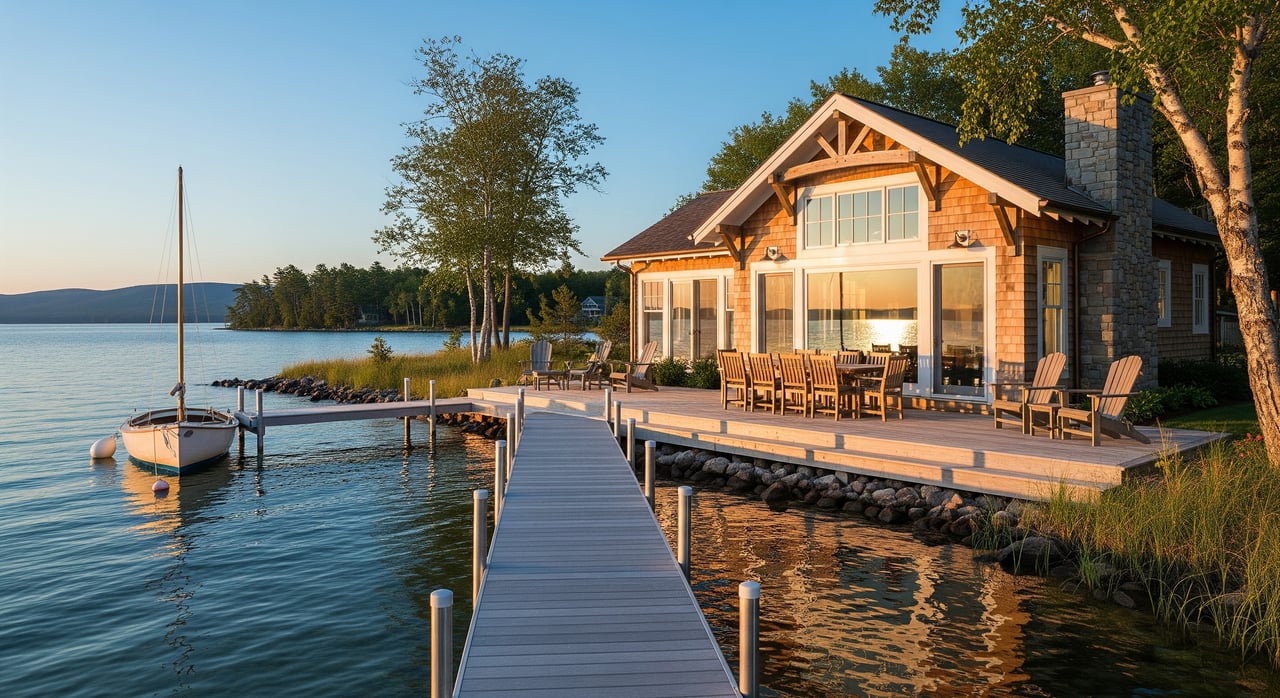
Trying to choose between Glen Arbor and Leland for your cottage can feel like picking between two picture‑perfect postcards. Both villages offer walkable charm, easy access to the water, and a relaxed Up North pace. You just need the spot that matches how you want to live, boat, and unwind. In this guide, you’ll compare water access, village vibe, seasonality, rules that affect rentals and remodels, and a simple checklist to make a confident decision. Let’s dive in.
Quick comparison
Glen Arbor at a glance
- Nature‑forward village near Sleeping Bear Dunes National Lakeshore.
- Close to Lake Michigan beaches and the clear, swim‑friendly Glen Lake system.
- Compact core with shops, galleries, outfitters, and casual dining along M‑22.
- Mix of in‑town cottages, Glen Lake properties, and homes near trails and dunes.
Leland at a glance
- Historic harbor village centered on Fishtown’s shanties and boardwalks.
- Direct marina and river access to Lake Michigan for boaters and anglers.
- Walkable core with dining, boutiques, and a strong maritime identity.
- Mix of harborfront, riverfront, and in‑town homes with heritage character.
Water and boating access
Water is the biggest lifestyle divider. In Glen Arbor, you’re minutes from Lake Michigan beaches and the Big and Little Glen Lake system. Glen Lake is known locally for clear water and family‑friendly swimming. Public beaches and boat launches exist in the area, and nearby parklands offer extensive shoreline and trail access.
In Leland, the harbor and river define daily life. Properties near the marina or along the river provide convenient dockage and quick runs to Lake Michigan. If you prioritize powerboating, charter fishing, or direct Great Lakes navigation, Leland’s harbor setting often fits better.
Before you buy, confirm launch sites, water depth, slip availability, and seasonal navigation rules with local marina managers or the Michigan DNR. Ice, water levels, and capacity can change by season.
Village life and walkability
Both village cores are strollable for coffee, ice cream, and errands. Glen Arbor’s compact center keeps many daily stops within a short walk, and trailheads are close. In Leland, shops cluster around the harbor and Fishtown, with homes spread along the river and nearby streets.
Walkability beyond the center varies by property. Check distance to the village core, sidewalks, and elevation changes. Dunes, bluffs, or lack of sidewalks can affect your daily routes.
Market patterns and timing
Glen Arbor and Leland are resort‑heritage communities with many seasonal homes. Listings and buyer activity often rise in late spring and summer, with fewer options in winter. Inventory spans modest cottages, historic in‑town homes, and higher‑end waterfront.
Price comparisons shift with each season’s mix of listings. For a true read on today’s medians and days on market, review current MLS data and recent sales. If rental income matters, ask for documented rental history and compliance records before you write an offer.
Short‑term rentals and zoning
Short‑term rental rules vary by township and neighborhood. Some areas require permits, licenses, or occupancy limits. Condominium and HOA rules may add restrictions.
If you plan to host guests, verify current STR ordinances in Glen Arbor Township and Leland Township and confirm a property’s permit status. Rules change, and local enforcement matters. Get everything in writing before relying on projected rental income.
Infrastructure, taxes, and resilience
Many cottages use private wells and septic systems outside village sewer lines. Confirm the type, age, and condition of the well and septic, and whether the home is insulated and heated for year‑round use. Ask about winterization and past utility costs.
Property taxes and assessments differ by township and property class. Shoreline and dune properties can have special setbacks and permit requirements. Check FEMA flood maps, county GIS for floodplains, and shoreline erosion history. Waterfront buyers should understand permit steps with local officials and state agencies for any shoreline or dune work.
Broadband, natural gas, and municipal services vary by street. If you work remotely or plan to live year‑round, confirm providers and speeds during your due diligence.
Who each place fits
Glen Arbor fits if you want
- Easy access to Sleeping Bear Dunes trails, beaches, and parklands.
- Swim‑friendly inland lake days on Glen Lake with nearby public access.
- A quieter, nature‑first village feel near protected lands.
- Properties that back up to dunes, trails, and public shoreline.
Leland fits if you want
- Harbor living with quick marina access to Lake Michigan.
- A classic maritime village vibe with historic Fishtown.
- A lively summer scene with galleries, festivals, and dockside dining.
- Riverfront or harbor‑area homes where boating is part of daily life.
On‑the‑ground tips
- Visit in and out of season. A summer Saturday feels different than a quiet November weekday.
- Walk from the property to the village core. Time the stroll and check the route in the evening, too.
- Drive to Traverse City for a grocery run or hospital visit to gauge real‑life travel.
- Ask neighbors and local shop owners about seasonal noise, parking, and community events.
Decision checklist
Use this to compare a short list of cottages on equal footing:
- Budget and total cost
- Current list and sale price ranges from recent comps.
- Estimated taxes, insurance, utilities, and any association dues.
- Water access and type
- Lake Michigan, harbor/river, or inland lake frontage or proximity.
- Distance to public beaches or boat launches and slip or mooring options.
- Use and zoning
- Year‑round vs. seasonal use, STR rules, and permit status.
- HOA or condo restrictions that affect rentals or renovations.
- Infrastructure and maintenance
- Well and septic age, inspection records, and winterization.
- Heating, insulation, and road access or snow removal plans.
- Flood, erosion, and permits
- FEMA flood zone status and shoreline history.
- Permit needs for shoreline structures, dunes, or tree work.
- Walkability and services
- Distance to shops, dining, medical care, and whether stores are open year‑round.
- Travel and logistics
- Drive times to Traverse City’s airport, hospital, and essentials.
- Rental potential
- Documented income history, booking cadence, and confirmed ordinance compliance.
- Neighborhood fit
- Seasonal tourism levels, parking patterns, and community events.
- Resale outlook
- Waterfront type, proximity to parks or harbor, condition, and comparable sales.
How to choose with confidence
If you picture dock life and quick launches to Lake Michigan, Leland’s harbor may win your heart. If your perfect day is a morning trail hike followed by an afternoon swim in clear inland water, Glen Arbor often clicks. Many buyers tour homes in both villages, then let water type, everyday routes, and rules for use make the final call.
When you are ready to compare listings, permits, and shoreline considerations side by side, reach out to a local guide who knows both markets. For tailored advice and a plan that fits your goals, connect with Jennifer Gaston.
FAQs
What’s the key difference for cottage buyers?
- Glen Arbor centers on dunes, trails, and inland lakes, while Leland centers on harbor life, Fishtown, and direct Lake Michigan boating.
Is Glen Lake or Lake Michigan better for families?
- Glen Lake is known locally for clear, swim‑friendly water and easy beach days, while Lake Michigan offers big‑water experiences and harbor boating.
Can I run a short‑term rental in these towns?
- Possibly, but rules vary by township and HOA; verify current ordinances and permit status for the specific property before you count on rental income.
How does seasonality affect buying?
- Inventory often rises in late spring and summer and thins in winter; touring in multiple seasons helps you judge crowds, parking, and noise.
What should I check for waterfront purchases?
- Confirm flood zones, erosion history, shoreline setbacks, and required permits for any shoreline or dune work, plus insurance and maintenance costs.
Are both villages walkable?
- Yes in the cores, but walkability from a given home depends on distance, sidewalks, and terrain; verify the route during day and evening visits.