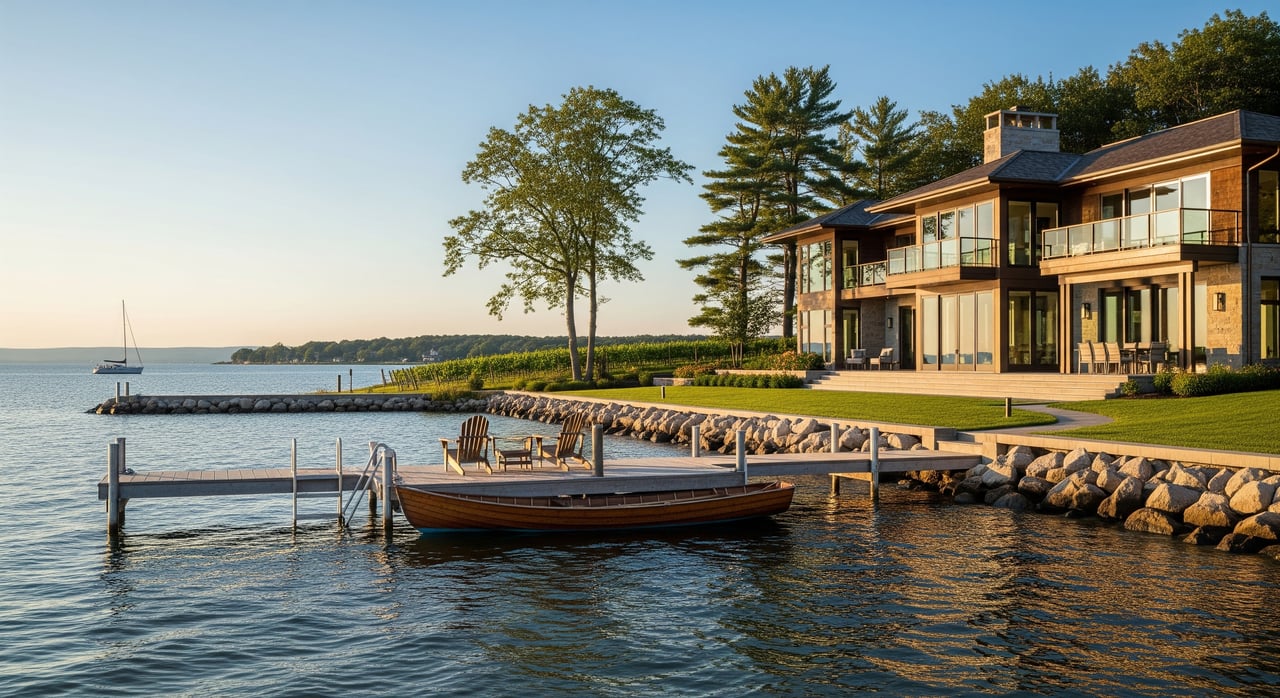
Thinking about moving your family to the shores of Grand Traverse Bay? You want a community that fits your routines, offers room to grow, and keeps weekends fun without making weekdays hard. This guide gives you a clear picture of life in Traverse City and nearby townships so you can choose with confidence. You will see how the seasons shape daily life, where families tend to live, and what to plan for with schools, childcare, commutes, and healthcare. Let’s dive in.
What family life feels like here
Traverse City is a small regional hub on Lake Michigan that serves a wider rural and resort area. You will find walkable neighborhoods in and near downtown and more suburban or rural settings in surrounding townships. The local economy blends healthcare, education, public services, tourism, and small businesses, which sets the rhythm of the year. Summer brings more visitors, longer hours for shops, and a lively streetscape, while late fall and winter feel quieter and more local.
Seasons that shape your routine
Four distinct seasons influence schedules and traffic. Summer is busy and activity filled, with beaches, boats, and festivals drawing visitors and locals outside. Fall brings orchard visits and weekend color tours, with lighter weekday traffic than summer. Winter is cold and snowy, which supports sledding, skating, skiing, and hockey, and some businesses scale back hours. Spring is variable, and weather can shift fast, so plan flexible outdoor time.
Neighborhood types to explore
Downtown and lakeshore living
If you value walkability, the downtown and bayshore neighborhoods offer quick access to parks, trails, and cultural activities. Peak summer weeks and festival dates bring heavier traffic and larger crowds in these areas. Inventory can tighten during summer due to vacation and second‑home demand. Expect an energetic vibe in season and a calmer pace once the weather cools.
Township and subdivision options
Families often look to nearby townships for larger lots and newer construction. Daily drives to school, daycare, or sports are short for most households within the greater Traverse City area. School bus routes and start times vary by district, so confirm those details during your home search. Many parents build routines around quick trips, carpooling, and before or after‑school care.
Peninsula and rural settings
The peninsulas and rural areas around the bay offer more space and scenic drives to farms and orchards. Weekend routines often include exploring trails or visiting markets and u‑pick farms in season. Winter driving and snow removal become part of the planning, especially on longer, less sheltered roads. If you choose a rural setting, test your commute at the times you would normally travel.
Commutes and transportation
Most local commutes stay within the city or adjacent townships, which helps keep drive times manageable. The Bay Area Transportation Authority operates local bus routes and demand‑response services for added flexibility. Active families use multi‑use paths such as the TART Trails and the Boardman Lake Trail for recreation and some errands in fair weather. Regional travel is supported by Cherry Capital Airport, which connects to larger hubs.
Schools and childcare basics
Traverse City Area Public Schools is the primary public district serving the city, with multiple elementary and middle schools and the main high schools. District boundaries determine school assignments, and nearby townships may fall under different districts, so verify the exact boundary for any address. Private, charter, and faith‑based schools are available in the area, and Interlochen Arts Academy nearby is notable for arts education. Early childhood programs include daycare centers, family childcare homes, Head Start, and the Great Start Readiness Program through the regional intermediate school district; waitlists are common, so contact providers early.
Health care and daily essentials
Munson Medical Center, located in Traverse City, provides regional hospital services, including emergency and pediatric care. Many outpatient clinics support routine and specialty needs in town. For very specialized care, some families travel to larger metro medical centers in Michigan. Day to day, you can build routines around local libraries, parks, farmers markets, and youth programs offered by the YMCA and parks and recreation departments.
Weekend fun with kids
Water and trail access shape family time in every season. Summer brings beaches, paddle sports, and boating on Grand Traverse Bay and nearby inland lakes. The TART Trails network and neighborhood parks support biking and walking from late spring through fall. In winter, you will find sledding hills, ice rinks, and strong participation in hockey and skiing, with regional snowmobile and ski areas within driving distance.
What to expect during big events
Signature events influence traffic and schedules, especially downtown. The National Cherry Festival fills the city with parades, family activities, and visitors each summer. The Traverse City Film Festival also brings screenings and cultural programming in season. Farmers markets and seasonal festivals add weekly and weekend routines, while late fall and winter offer a quieter, more local feel as some small businesses reduce hours.
Cost and housing considerations
Demand from vacation and second‑home buyers affects inventory, especially in summer. Walkable and lakeshore neighborhoods tend to command higher prices, and utilities and heating costs rise in cold months. For the latest pricing and inventory, review local real estate market reports and compare neighborhoods by features that matter to you. Plan to visit in different seasons to see traffic patterns, school rhythms, and childcare availability firsthand.
A day in the life examples
- Downtown or lakeshore: You bike the kids to a neighborhood park on the trail, walk to a museum program, and watch the sunset at a nearby beach. During festival week, you plan errands early to avoid traffic and enjoy the evening events.
- Township or subdivision: You drive 10 to 20 minutes to school and work, with a stop at daycare or an after‑school sports field. Weekends include backyard play, a trail ride, or a short trip to the bay.
- Peninsula or rural: You start with a longer, scenic school drop‑off and schedule grocery runs together with activities in town. Fall weekends are for orchard visits, while winter means sledding and cozy indoor arts programs.
Moving checklist for families
- Visit at least twice, in summer and winter, to experience traffic, weather, and schedules.
- Confirm the school boundary for any address with the district.
- Drive your likely commute and school routes at typical times and on weekends.
- Contact childcare and pediatric providers early to ask about availability and waitlists.
- Review local job opportunities if one or both partners are switching roles.
- Check neighborhood‑level crime data through local police and verify current reports.
How Jennifer helps your move
You deserve a guide who knows the neighborhoods, listens to your priorities, and helps you make a confident choice. Jennifer provides buyer representation, relocation guidance, and first‑time buyer support, along with seller services backed by premium marketing when you are ready to list. You get clear communication, neighborhood insight, and a plan that fits your timeline. If you want a walkthrough of Traverse City, its townships, and nearby waterfront communities, connect with Jennifer Gaston to start your move with confidence.
FAQs
Is Traverse City a good fit for families?
- It offers walkable in‑town neighborhoods, nearby suburban and rural options, strong year‑round outdoor access, and a seasonal rhythm that families plan around.
How do public school assignments work in Traverse City?
- Traverse City Area Public Schools serves much of the city, but boundaries vary by address, so confirm your specific assignment directly with the district.
What is winter like for daily routines in Grand Traverse?
- Winters are cold and snowy, which supports ice and snow sports and can affect commutes, school schedules, and business hours.
How does summer tourism affect living downtown?
- Peak weeks bring heavier traffic and larger crowds near the bay and downtown, along with extended hours for many amenities and lively events.
What transportation options support short commutes?
- Most drives stay local, while the Bay Area Transportation Authority offers bus and demand‑response service, and multi‑use trails support biking and walking in fair weather.