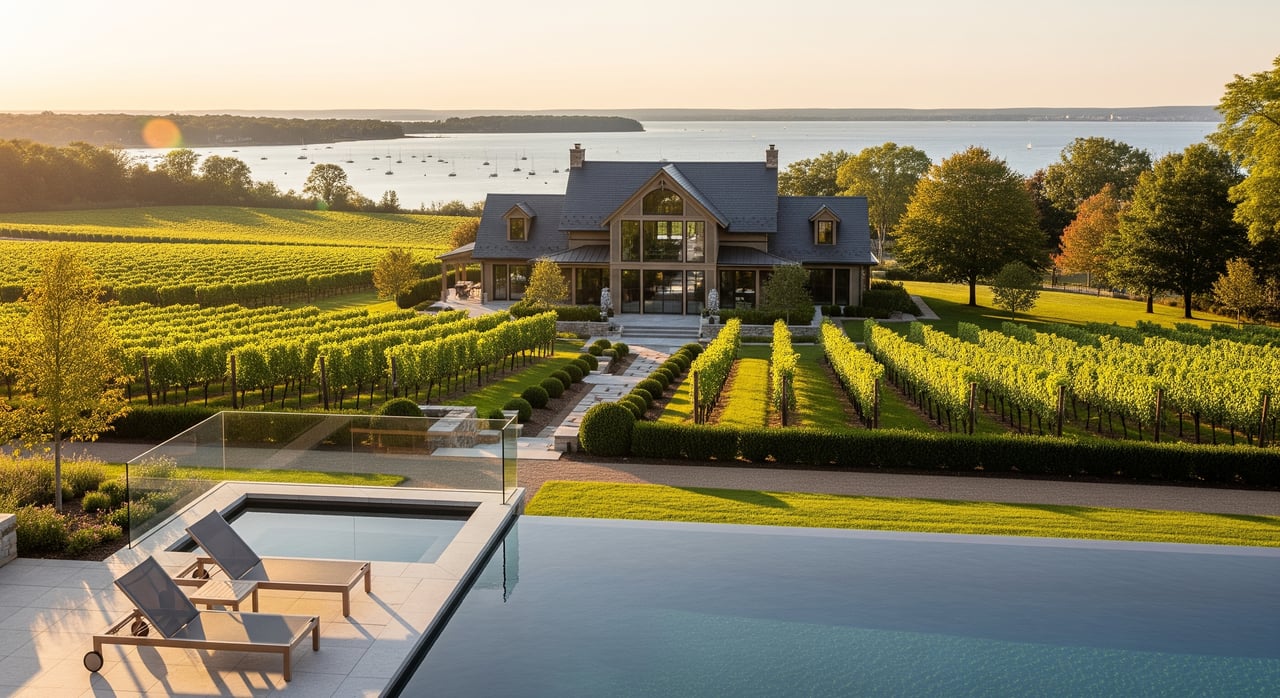
What draws you to Old Mission Peninsula? Maybe it is the vineyard views, quiet shorelines, or the idea of being minutes from Traverse City while feeling a world away. If you are weighing a second home or a full relocation, you need a clear picture of day-to-day life, season to season. In this guide, you will learn how the peninsula’s location, lifestyle, housing, and utilities compare to in-town Traverse City so you can choose what truly fits. Let’s dive in.
Where Old Mission Peninsula sits
Old Mission Peninsula stretches north from Traverse City into Grand Traverse Bay. It is part of Peninsula Township in Grand Traverse County. The southern base near town is more developed, while the mid and northern sections feel rural with orchards, vineyards, and pockets of waterfront homes.
If you want quick access to downtown, the base is closest. If you prefer quiet roads and bigger parcels, the mid and northern sections are a better fit. The iconic Old Mission Point and lighthouse anchor the tip and attract visitors year-round.
What daily life looks like
Vineyards and agritourism
You see rows of vines along ridgelines and small wineries dotted across the mid-peninsula. The area is a cool-climate grape region, known for crisp whites like Riesling and Pinot Gris and select cold-tolerant reds. On spring through fall weekends, tasting rooms host steady traffic and events. If you love the wine scene, living nearby can feel like a long weekend at home. If you prefer quiet afternoons, you may choose a lane tucked away from popular stops.
Water access and recreation
You can kayak calm bays, launch a small boat, or swim at smaller public access points along the shoreline. Some stretches are sandy, others are rocky, and waterfront lots are limited and command a premium. In winter, residents trade beach time for cross-country skiing, snowshoeing, and quiet walks with bay views. If water access is a top priority, focus your search on parcels with existing frontage or convenient legal access.
Dining and daily errands
On the peninsula, you will find tasting rooms, farm markets, and a handful of small eateries. For full-service groceries, medical specialists, and broader dining, most residents drive into Traverse City. If you enjoy cooking at home and quick trips into town a few times a week, the peninsula routine fits well.
Commute and getting around
Drive time to downtown Traverse City depends on where you live on the peninsula.
- Southern base: about 10 to 15 minutes
- Mid-peninsula: about 15 to 25 minutes
- Near the tip: about 25 to 35 minutes
Summer weekends, harvest season, and event days can add time. Public transit is limited, so plan on owning a car. Cell and internet coverage vary by address, especially on rural side roads. If remote work is critical, check providers and speeds before you buy.
Housing and property types
You will see a mix of seasonal cottages, mid-century homes, custom waterfront estates, and rural farmhouses. Parcel sizes tend to increase as you head north. Many properties have private wells and septic systems, and some smaller side roads are gravel. Near the base, utility and internet options are more common. If you want a hobby orchard, space for a garden, or room for a small outbuilding, the mid and northern areas often offer more land.
Utilities, heating, and internet
Not every home has municipal water or sewer. Many rely on private wells and septic systems, which require regular inspections and maintenance. Heating commonly includes electric, propane, fuel oil, or natural gas where available near the base. Internet options range from cable or DSL in certain areas to fixed wireless or satellite in more rural pockets. Fiber is improving in select locations, but availability is still patchy. Confirm service at the exact address so you are not surprised after closing.
Schools and family logistics
Parts of the peninsula feed into Traverse City area public schools. School boundaries depend on the address, and bus rides can be longer than in-town. Childcare options on the peninsula are limited, so many parents use services in Traverse City. Families often plan activity schedules with the drive in mind.
Seasons and how they shape your year
Spring
Early spring can bring muddy conditions on unpaved roads. Orchards and vineyards start pruning and budding, and visitor activity picks up in late spring. It is a good time to explore before peak season.
Summer
This is the peninsula at full speed. Second-home owners return, wineries and farm markets buzz, and water sports are daily rituals. Traffic increases on weekends, and some small beaches and tasting rooms fill quickly on sunny days.
Fall
Harvest season arrives with color tours and cooler evenings. Some seasonal businesses scale back hours, and the pace slows during weekdays. Fall can be an excellent time to tour homes with less crowding and comfortable weather.
Winter
Life is quiet with lake-effect snow and ice on the bays. Snow removal and winter access become part of your routine. Many residents embrace cross-country skiing, snowshoeing, or cozy evenings at home, and some businesses reduce hours until spring.
Micro-areas to consider
Southern/base area
- Best for quick access to Traverse City services and schools.
- Smaller lots, more year-round residents, and better utility options.
Mid-peninsula
- Best for rural vineyard character and proximity to tasting rooms.
- Mixed parcels and moderate drive times to town.
North/tip near Old Mission Point
- Best for privacy, scenic views, and unique waterfront parcels.
- Larger lots, more remote setting, and the longest drive to services.
East vs. west shorelines
- East-facing shores often have warmer, shallower water in summer.
- West-facing properties may have different wind and exposure. Your choice depends on boating and water activities you prefer.
Peninsula vs. in-town Traverse City
If you are choosing between Old Mission Peninsula and living in-town, start with your daily routine.
- Commute and convenience: In-town Traverse City gives you walkable access to shops, restaurants, and schools. On the peninsula, you trade immediate convenience for space, scenery, and quieter roads. Commutes range from about 10 to 35 minutes depending on location.
- Vibe and privacy: The peninsula feels rural and scenic with vineyards and water views. In-town living feels lively with neighborhood energy and quick access to events and dining.
- Property features: Peninsula lots often offer more land, wells and septic systems, and a mix of paved and gravel roads. In-town homes more often connect to municipal services and have smaller lots.
- Seasonality: Summer crowds touch both areas, but peninsula traffic centers around wineries and scenic pull-offs. Winter on the peninsula is especially quiet, which some buyers love and others find too still.
- Internet and utilities: Peninsula service varies by address. In-town options are generally more consistent.
Buyer profiles and best-fit tips
Second-home and seasonal buyers
You will enjoy summer living, water access, and winery events. Plan for off-season care, winterization, and insurance that covers vacancy and weather. Check township rules before assuming short-term rental income is allowed.
Year-round relocators
You get rural quiet with a reasonable drive to jobs and services, depending on your address. Test your commute at different times, and confirm cell and internet coverage. If you rely on medical specialists, factor in the drive into Traverse City.
Vineyard, farm, or agritourism buyers
Research agricultural zoning, licensing, and the true cost of vineyard operations. Consider soil testing, frost history, water needs, and seasonal labor. Decide whether you plan to operate the business or take a more passive approach.
Waterfront seekers
Review shoreline access, erosion risk, setbacks, and flood zones. Expect higher insurance costs and the possibility of nearby public access points. Ask for an elevation survey and verify shoreline rules before you commit.
Due diligence checklist
Use this short list to speed up your search and avoid surprises.
- Drive the area on weekdays and weekends, in summer and winter.
- Confirm commute times from your target addresses during peak hours.
- Verify broadband and cell coverage at the property and test speeds.
- Order well and septic inspections and review maintenance records.
- Check township zoning, shoreland setbacks, and short-term rental rules.
- Review flood maps, shoreline protections, and any access easements.
- Ask sellers about snow removal, winterization, and any local service providers.
- Confirm school assignments and bus routes if applicable.
How to choose your pocket on the peninsula
Start by ranking your priorities: commute or quiet, waterfront or views, vineyard vibe or deep privacy. Tour the southern base if you want fast access to town. Explore the mid-peninsula for a rural feel near agritourism. Head north for larger parcels, scenic overlooks, and less bustle. Visit at different times of day and in more than one season, then narrow to a few lanes that match your routine.
When you are ready to buy, align your offer strategy with the property type. Waterfront and turnkey homes can move fast in peak seasons. Rural parcels with wells and septic need careful inspections and utility checks. If you are exploring an agricultural or rental component, build in time for research and permits.
Work with a local advocate
A successful peninsula purchase often comes down to local details. You want a guide who understands zoning, wells and septic, shoreline rules, and seasonal realities, and who can spot the right micro-area for your lifestyle. If you are comparing Old Mission Peninsula and in-town Traverse City, the right advice will help you choose with confidence.
If you are ready to explore homes, relocation options, or a second-home plan, connect with Jennifer Gaston for buyer representation, seller services, and relocation guidance tailored to Northern Michigan.
FAQs
How long is the commute from Old Mission Peninsula to downtown Traverse City?
- Typical drive times range from about 10 to 35 minutes depending on whether you live near the base, mid-peninsula, or near the tip, with extra time during busy summer weekends.
What utilities should I expect on Old Mission Peninsula properties?
- Many homes use private wells and septic systems, and heating often includes propane, electric, or fuel oil, with natural gas more common near the base where available.
Is internet reliable for remote work on Old Mission Peninsula?
- Service varies by address; options include cable or DSL in some areas and fixed wireless or satellite in others, so confirm providers and measured speeds before buying.
Are there many shops and restaurants on Old Mission Peninsula?
- Options are limited to small eateries, tasting rooms, and farm markets; residents usually drive to Traverse City for full-service grocery, broader dining, and medical specialists.
What is winter like for year-round residents on Old Mission Peninsula?
- Winters are quiet with lake-effect snow and ice on the bays, so plan for snow removal, winter accessibility, and routine maintenance like protecting pipes and entries.
Can I run a short-term rental on Old Mission Peninsula?
- Rules and permitting vary by township regulations and any neighborhood restrictions, so verify local ordinances and HOA guidelines before assuming rental income.
What types of homes are common on Old Mission Peninsula?
- You will find seasonal cottages, mid-century homes, custom waterfront residences, rural farmhouses, and properties with agricultural uses such as orchards or vineyards.